DO YOU REALLY NEED A COACH TO ENTER AN AMERICAN MEDICAL REsidency?

CÓ THẬT SỰ CẦN COACH ĐỂ VÀO NỘI TRÚ Y KHOA MỸ dr christina nguyễn
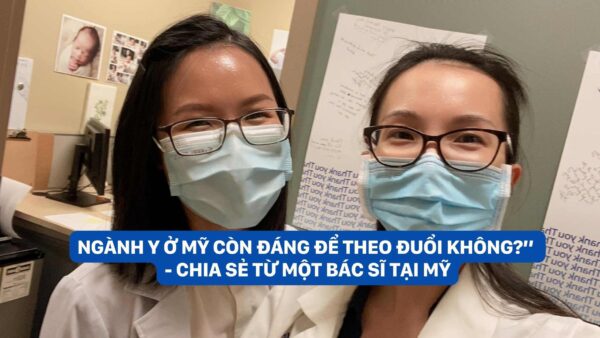
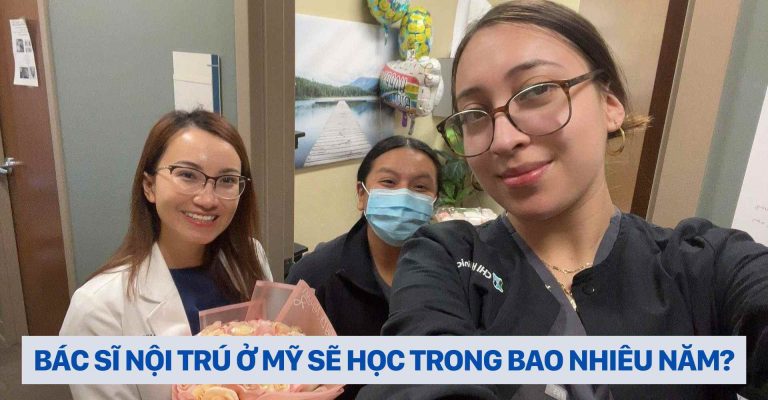
The photo I took with the Vietnamese doctors I had the honor of accompanying as a Coach on the journey to conquer the dream of American medical residency.

DO VIETNAMESE DOCTORS REALLY NEED A COACH TO ENTER US MEDICINE RESIDENCY?


If you are a Vietnamese doctor who wants to enter a medical residency program in the US, you may have asked yourself: “Do I need someone to guide me, or is trying on my own enough? To study the USMLE, I can buy books, study, and review by myself. Do I need a coach?”


This is a very practical question, and to answer, I want to invite you to look at a closer perspective: the world of sports.


Imagine a professional runner – such as Usain Bolt, who once broke the world record in sprinting. He is lightning fast, and everyone recognizes his natural talent. 


But did you know, behind those speedy runs is a coach who always accompanies him? The coach did not run for Bolt, did not lift weights for him, nor could he “gift” him speed. 


So what do they do? They observed, analyzed, and showed Bolt how to place his feet correctly, how to breathe evenly, and how to keep his nerves of steel when standing in front of the starting line. More importantly, they develop strategies: how long to train hard, when to rest, and how to compete to reach peak performance on important days.


Whether a top athlete or a beginner, everyone needs a coach. Why is that? Because they bring a perspective that is difficult for you to see yourself: where you are doing well, and where you need to improve. They make clear plans, helping you not waste energy but still achieve your goals. 


A self-trained athlete can run fast, but with a coach, they are not only faster but also smarter in how they use their strength. They help you get ready for the big day – the day when everything has to be perfect.


Now, think about your journey. Like an athlete, you need to prepare for the big “race” – the battle for a residency spot. You can self-study for the USMLE exam, write your own personal statement, and self-interview training. 


But are you sure you’re on the right track? Do you recognize “flaws” in your approach – like an unconvincing interview answer, or a profile that doesn’t really stand out among thousands of other candidates?


A coach in this case is like an athlete’s coach. Coach does not take the exam for you, nor write your application for you, but can help you see more clearly. Coach might say: “Your Step 1 score is good, but the way you describe your experience is a bit lackluster, try this!” 


Coach will sit with you and practice the interview so you are less nervous and answer more confidently. And especially helps you build a strategy for the whole journey: when should you take Step 2 CK, what to focus on, when to make your profile stronger, or prioritize applying to which programs are most suitable for you. Simply put, a coach does not “run” for you, but can help you prepare to enter the race in your best form.


The journey of IMG doctors is different from medical students in the US in that you have to overcome more barriers: geographical distance, cultural differences, and fierce competition from local candidates. When you have an instructor who is familiar with the residency system and understands what the selection committee wants to see, you have an added advantage. 


Coach knows how to highlight your strengths (like patience when studying medicine abroad) and help you “hide” your weaknesses (like not having much experience in the US). Coach also makes a specific plan for you: how many letters of recommendation are needed, how to get a quality LOR, or how to arrange time to study and practice at the same time. Thanks to that, you don’t have to waste time groping, but go straight to what’s most important.


Imagine: an athlete can train on their own and achieve good results, but when facing well-trained opponents, they easily fall behind. 


Similarly, in a boarding race, when you compete with thousands of other IMGs and US grads, having a coach can be an advantage to help you reach the finish line successfully. Coaching not only helps you perfect your skills but also saves time and avoids unnecessary mistakes – something that can take months or even years to realize on your own.


Of course, coaching is not a “silver bullet” that guarantees you will match 100%. Ultimately success still depends on your personal efforts – just like how athletes still have to run on the track themselves. But when you have a coach, you will avoid unnecessary stumbles and increase your chances of turning your potential into real results.


However, in reality, I understand that not everyone has the conditions to work with a personal coach, because the investment cost is not small, especially for those who are having to study and work to make ends meet.


And if you’re wondering if you can do it without a coach, the answer is: absolutely possible. You can still get ahead on your own by taking advantage of free resources, joining the USMLE community, learning from those who have gone before you, and relying on your own effort and perseverance. 


This is also the reason why I regularly post articles sharing details about how to prepare for the USMLE, write essays, practice interviews, as well as organize webinars to support you on this journey.


However, let’s be frank: without a coach, you will face many difficulties and take significantly more time. Self-study and self-study can cause you to take detours, make unnecessary mistakes, or miss important opportunities simply because of a lack of a methodical, specific perspective. 


A coach not only helps you save time but also provides clarity and direction so you can focus on what’s really necessary, instead of getting lost amid tons of information and options. In other words, you can still reach the finish line, but with a coach, the road will be shorter, less bumpy, and the chance of success will be much higher.


So in short, do Vietnamese doctors need coaching to get into American medical residency?


No, you don’t have to have a coach – you can do it yourself.


But without anyone to guide you, the journey will be like running a marathon without a map: you can still reach the finish line, but it will definitely take more effort, take longer, and sometimes you will be exhausted midway. Meanwhile, a coach is like a compass, helping you stay on track and optimize each step to reach the finish line as quickly as possible.


I hope this article will be somewhat useful to you.


Please comment “yes” if you find it useful!


Dr. Christina Nguyen

Phoenix Medical Academy.

If you found this article meaningful, please share it with others!

CÓ THẬT SỰ CẦN COACH ĐỂ VÀO NỘI TRÚ Y KHOA MỸ dr christina nguyễn
The photo I took with the Vietnamese doctors I had the honor of accompanying as a Coach on the journey to conquer the dream of American medical residency.

DO VIETNAMESE DOCTORS REALLY NEED A COACH TO ENTER US MEDICINE RESIDENCY?


If you are a Vietnamese doctor who wants to enter a medical residency program in the US, you may have asked yourself: “Do I need someone to guide me, or is trying on my own enough? To study the USMLE, I can buy books, study, and review by myself. Do I need a coach?”


This is a very practical question, and to answer, I want to invite you to look at a closer perspective: the world of sports.


Imagine a professional runner – such as Usain Bolt, who once broke the world record in sprinting. He is lightning fast, and everyone recognizes his natural talent. 


But did you know, behind those speedy runs is a coach who always accompanies him? The coach did not run for Bolt, did not lift weights for him, nor could he “gift” him speed. 


So what do they do? They observed, analyzed, and showed Bolt how to place his feet correctly, how to breathe evenly, and how to keep his nerves of steel when standing in front of the starting line. More importantly, they develop strategies: how long to train hard, when to rest, and how to compete to reach peak performance on important days.


Whether a top athlete or a beginner, everyone needs a coach. Why is that? Because they bring a perspective that is difficult for you to see yourself: where you are doing well, and where you need to improve. They make clear plans, helping you not waste energy but still achieve your goals. 


A self-trained athlete can run fast, but with a coach, they are not only faster but also smarter in how they use their strength. They help you get ready for the big day – the day when everything has to be perfect.


Now, think about your journey. Like an athlete, you need to prepare for the big “race” – the battle for a residency spot. You can self-study for the USMLE exam, write your own personal statement, and self-interview training. 


But are you sure you’re on the right track? Do you recognize “flaws” in your approach – like an unconvincing interview answer, or a profile that doesn’t really stand out among thousands of other candidates?


A coach in this case is like an athlete’s coach. Coach does not take the exam for you, nor write your application for you, but can help you see more clearly. Coach might say: “Your Step 1 score is good, but the way you describe your experience is a bit lackluster, try this!” 


Coach will sit with you and practice the interview so you are less nervous and answer more confidently. And especially helps you build a strategy for the whole journey: when should you take Step 2 CK, what to focus on, when to make your profile stronger, or prioritize applying to which programs are most suitable for you. Simply put, a coach does not “run” for you, but can help you prepare to enter the race in your best form.


The journey of IMG doctors is different from medical students in the US in that you have to overcome more barriers: geographical distance, cultural differences, and fierce competition from local candidates. When you have an instructor who is familiar with the residency system and understands what the selection committee wants to see, you have an added advantage. 


Coach knows how to highlight your strengths (like patience when studying medicine abroad) and help you “hide” your weaknesses (like not having much experience in the US). Coach also makes a specific plan for you: how many letters of recommendation are needed, how to get a quality LOR, or how to arrange time to study and practice at the same time. Thanks to that, you don’t have to waste time groping, but go straight to what’s most important.


Imagine: an athlete can train on their own and achieve good results, but when facing well-trained opponents, they easily fall behind. 


Similarly, in a boarding race, when you compete with thousands of other IMGs and US grads, having a coach can be an advantage to help you reach the finish line successfully. Coaching not only helps you perfect your skills but also saves time and avoids unnecessary mistakes – something that can take months or even years to realize on your own.


Of course, coaching is not a “silver bullet” that guarantees you will match 100%. Ultimately success still depends on your personal efforts – just like how athletes still have to run on the track themselves. But when you have a coach, you will avoid unnecessary stumbles and increase your chances of turning your potential into real results.


However, in reality, I understand that not everyone has the conditions to work with a personal coach, because the investment cost is not small, especially for those who are having to study and work to make ends meet.


And if you’re wondering if you can do it without a coach, the answer is: absolutely possible. You can still get ahead on your own by taking advantage of free resources, joining the USMLE community, learning from those who have gone before you, and relying on your own effort and perseverance. 


This is also the reason why I regularly post articles sharing details about how to prepare for the USMLE, write essays, practice interviews, as well as organize webinars to support you on this journey.


However, let’s be frank: without a coach, you will face many difficulties and take significantly more time. Self-study and self-study can cause you to take detours, make unnecessary mistakes, or miss important opportunities simply because of a lack of a methodical, specific perspective. 


A coach not only helps you save time but also provides clarity and direction so you can focus on what’s really necessary, instead of getting lost amid tons of information and options. In other words, you can still reach the finish line, but with a coach, the road will be shorter, less bumpy, and the chance of success will be much higher.


So in short, do Vietnamese doctors need coaching to get into American medical residency?


No, you don’t have to have a coach – you can do it yourself.


But without anyone to guide you, the journey will be like running a marathon without a map: you can still reach the finish line, but it will definitely take more effort, take longer, and sometimes you will be exhausted midway. Meanwhile, a coach is like a compass, helping you stay on track and optimize each step to reach the finish line as quickly as possible.


I hope this article will be somewhat useful to you.


Please comment “yes” if you find it useful!


Dr. Christina Nguyen

Phoenix Medical Academy.

If you found this article meaningful, please share it with others!

BECOME A DOCTOR IN THE U.S.

Would you like to learn how to communicate with patients in English to U.S. medical standards, explore the mindset and skills needed to succeed in medicine in America, or learn more about life as a doctor in the U.S.?

BECOME A DOCTOR IN THE U.S.

Would you like to learn how to communicate with patients in English to U.S. medical standards, explore the mindset and skills needed to succeed in medicine in America, or learn more about life as a doctor in the U.S.?

If you found this article helpful, please share it with others!

Leave a Reply

 Dr. Christina Nguyen
Family Doctor in the U.S.

Years ago, when I sat down to write my application essay for the Bill Gates scholarship, I wrote about the dream of becoming a doctor who could help people across languages and cultures. That journey eventually led me to practice family medicine in the United States and to build The Phoenix Medical Academy — so students and immigrant families can find clearer guidance on studying medicine, residency, and life in America.

Get new posts by email