HOW MY STUDENT PASSED USMLE STEP 1

DR CHRISTINA NGUYEN - HỌC VIÊN CỦA MÌNH ĐÃ ĐẬU USMLE STEP 1 NGAY TỪ LẦN THI ĐẦU TIÊN NHƯ THẾ NÀO

HOW DID MY STUDENT PASS USMLE STEP 1 ON THE FIRST TAKE?

“Sister, I passed!” 

I was just getting ready to go to work this morning when I saw a call from student doctor calling. With a trembling voice, she announced that she had passed the USMLE Step 1 exam. 

“I’m so happy! I still can’t believe my eyes! Is the word PASS right?” 

“That’s right!”

Congratulations on successfully passing USMLE Step 1 on the first attempt.

This is truly a great achievement, not only demonstrating her extraordinary efforts, solid knowledge and excellent adaptability, but also a testament to her spirit of perseverance in the face of a difficult challenge. 

1. IS IT DIFFICULT TO PASS USMLE STEP 1?

Passing Step 1 the first time is an important milestone, marking a strong start on the journey to conquer the dream of practicing medicine in the US. 

USMLE Step 1 is a big challenge for doctors graduating from Vietnamese medical schools, because the organization and requirements of the exam are completely different from other exams.

Unlike tests in Vietnam that often focus on memorizing theory or answering single questions, Step 1 uses integrated questions, requiring the ability to link knowledge from many subjects such as physiology, anatomy, and biochemistry to solve complex clinical situations. 

In addition, the length of the exam day – lasting up to 8 hours with nearly 300 hundred questions – creates great physical and mental pressure. This difference requires us to adjust our learning and thinking styles to adapt to a completely new system.

In addition, Step 1 places a heavy emphasis on mastering basic scientific knowledge, which is especially difficult for doctors who have been practicing for a while.

While practicing physicians are often familiar with handling specific clinical cases, Step 1 requires us to go back and review fundamental concepts such as molecular biological mechanisms or pathological processes at the cellular level – things that may have been forgotten after many years. 

To pass, you not only need to remember the information but also have a deep understanding and know how to flexibly apply it to the real-life scenarios given in the exam. This requires an effective, systematic, and persistent learning method, far different from the passive or ‘closet learning’ style that many people have used in medical school.

Furthermore, the exam also tests knowledge of the American medical system, from how to communicate with patients according to cultural standards to legal regulations in the medical industry – aspects that Vietnamese doctors Men often have little previous contact.

2. ADVANTAGES AFTER PASSING USMLE STEP 1

However, the effort spent on Step 1 is not only to pass an exam but is also an important foundation for the next steps in the journey to becoming a doctor in the US. 

Once students have built stability in Step 1, they will have a great advantage when studying and taking Step 2 CK, where clinical knowledge is deepened, as well as Step 3, with a focus on patient management and treatment decision making.

Mastering the basic concepts and thinking skills from Step 1 helps you be more confident in handling complex cases and adapting to the American medical environment. 

Therefore, all your sacrifices, efforts, and investments are truly worth it! 

Hopefully, in the journey ahead, I will continue to be brave, make efforts and take advantage of my strengths to quickly realize my dream.

If you are a Vietnamese doctor with the dream of becoming a doctor in the US but don’t know where to start and want guidance, please send a message to your inbox for advice. 

What do you think about the path to becoming a resident doctor in the US?

Dr. Christina Nguyen

The Phoenix Medical Academy
If you found this article meaningful, please share it with others!

DR CHRISTINA NGUYEN - HỌC VIÊN CỦA MÌNH ĐÃ ĐẬU USMLE STEP 1 NGAY TỪ LẦN THI ĐẦU TIÊN NHƯ THẾ NÀO

HOW DID MY STUDENT PASS USMLE STEP 1 ON THE FIRST TAKE?

“Sister, I passed!” 

I was just getting ready to go to work this morning when I saw a call from student doctor calling. With a trembling voice, she announced that she had passed the USMLE Step 1 exam. 

“I’m so happy! I still can’t believe my eyes! Is the word PASS right?” 

“That’s right!”

Congratulations on successfully passing USMLE Step 1 on the first attempt.

This is truly a great achievement, not only demonstrating her extraordinary efforts, solid knowledge and excellent adaptability, but also a testament to her spirit of perseverance in the face of a difficult challenge. 

1. IS IT DIFFICULT TO PASS USMLE STEP 1?

Passing Step 1 the first time is an important milestone, marking a strong start on the journey to conquer the dream of practicing medicine in the US. 

USMLE Step 1 is a big challenge for doctors graduating from Vietnamese medical schools, because the organization and requirements of the exam are completely different from other exams.

Unlike tests in Vietnam that often focus on memorizing theory or answering single questions, Step 1 uses integrated questions, requiring the ability to link knowledge from many subjects such as physiology, anatomy, and biochemistry to solve complex clinical situations. 

In addition, the length of the exam day – lasting up to 8 hours with nearly 300 hundred questions – creates great physical and mental pressure. This difference requires us to adjust our learning and thinking styles to adapt to a completely new system.

In addition, Step 1 places a heavy emphasis on mastering basic scientific knowledge, which is especially difficult for doctors who have been practicing for a while.

While practicing physicians are often familiar with handling specific clinical cases, Step 1 requires us to go back and review fundamental concepts such as molecular biological mechanisms or pathological processes at the cellular level – things that may have been forgotten after many years. 

To pass, you not only need to remember the information but also have a deep understanding and know how to flexibly apply it to the real-life scenarios given in the exam. This requires an effective, systematic, and persistent learning method, far different from the passive or ‘closet learning’ style that many people have used in medical school.

Furthermore, the exam also tests knowledge of the American medical system, from how to communicate with patients according to cultural standards to legal regulations in the medical industry – aspects that Vietnamese doctors Men often have little previous contact.

2. ADVANTAGES AFTER PASSING USMLE STEP 1

However, the effort spent on Step 1 is not only to pass an exam but is also an important foundation for the next steps in the journey to becoming a doctor in the US. 

Once students have built stability in Step 1, they will have a great advantage when studying and taking Step 2 CK, where clinical knowledge is deepened, as well as Step 3, with a focus on patient management and treatment decision making.

Mastering the basic concepts and thinking skills from Step 1 helps you be more confident in handling complex cases and adapting to the American medical environment. 

Therefore, all your sacrifices, efforts, and investments are truly worth it! 

Hopefully, in the journey ahead, I will continue to be brave, make efforts and take advantage of my strengths to quickly realize my dream.

If you are a Vietnamese doctor with the dream of becoming a doctor in the US but don’t know where to start and want guidance, please send a message to your inbox for advice. 

What do you think about the path to becoming a resident doctor in the US?

Dr. Christina Nguyen

The Phoenix Medical Academy
If you found this article meaningful, please share it with others!

BECOME A DOCTOR IN THE U.S.

Would you like to learn how to communicate with patients in English to U.S. medical standards, explore the mindset and skills needed to succeed in medicine in America, or learn more about life as a doctor in the U.S.?

BECOME A DOCTOR IN THE U.S.

Would you like to learn how to communicate with patients in English to U.S. medical standards, explore the mindset and skills needed to succeed in medicine in America, or learn more about life as a doctor in the U.S.?

If you found this article helpful, please share it with others!

Leave a Reply

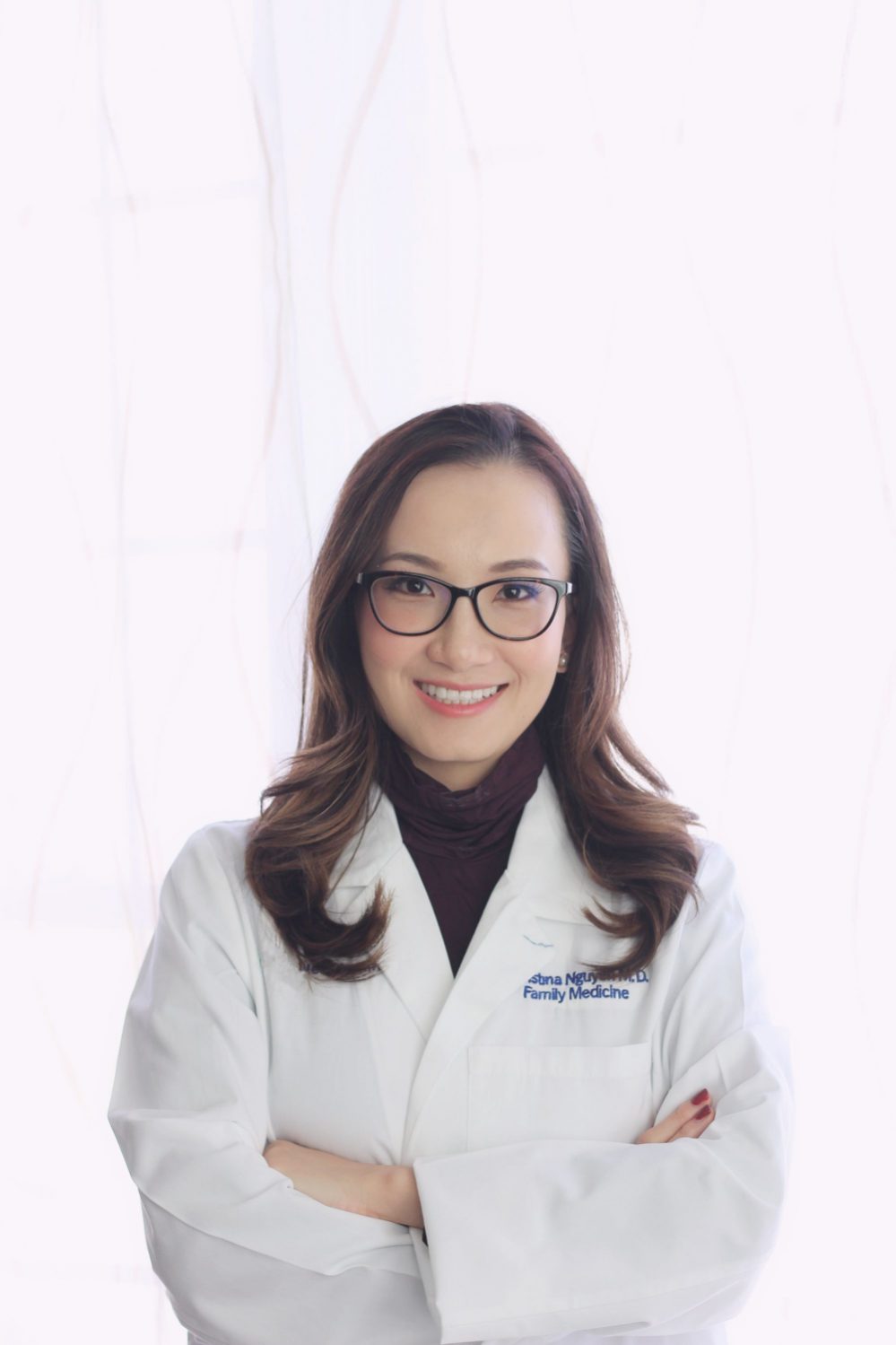
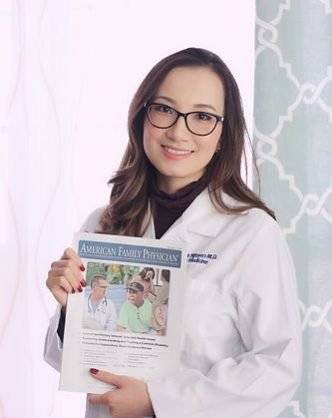
 Dr. Christina Nguyen
Family Doctor in the U.S.

Years ago, when I sat down to write my application essay for the Bill Gates scholarship, I wrote about the dream of becoming a doctor who could help people across languages and cultures. That journey eventually led me to practice family medicine in the United States and to build The Phoenix Medical Academy — so students and immigrant families can find clearer guidance on studying medicine, residency, and life in America.
Get new posts by email