HOW TO GET A HIGH SCORE ON THE USMLE STEP 1 EXAM?
USMLE Step 1 is considered one of the most important milestones on the journey to becoming an American medical resident. Therefore, having an effective study strategy to help you achieve good results in this exam is extremely necessary.
>
In recent years, the change in the way the test is evaluated (switching from scoring to pass/fail) has partly reduced the pressure on candidates to score.
>
But that does not mean we have the right to be subjective in studying for the exam. Because if you fail this exam just once, this will be a huge mountain of rocks preventing you from achieving your dream of becoming a doctor in America.
As mentioned in previous articles, with the exam results changing to pass/fail, trying to pass with a safe score (not too high as before) will be the most optimal solution for Vietnamese doctors.
So how can we achieve that result? The answer is to build yourself an optimal review strategy.
So what is an optimal review strategy?
The learning process should be divided into 3 phases, with each phase having different goals and learning methods.
Phase 1: Building the Basis
When to apply?
- If you have forgotten most of the basic medical knowledge in medical school or feel that you are not sure of the basic knowledge.
Learning path:
- Start with basic materials:
- Use materials like Pathoma, Board & Beyond, Sketchy… or similar resources to build a solid foundation.
- Focus on specific chapters or topics that you feel weak in.
- How to learn:
- Read through quickly to understand the concepts.
- Don’t take too many notes, instead, you can underline or highlight directly in the book.
- Time:
- Usually lasts from 1-3 months or more, depending on your background knowledge and time spent studying.
Phase 2: Learn To Understand And Focus On High-Yield Topics
Target:
- Focus on studying topics that often appear in the exam (high-yield topics).
- Deeply understand knowledge and apply it through practice questions.
Learning path:
- Mainly combines UWorld + First Aid (FA):
- Do the questions in UWorld (UW) and read the explanations carefully to understand each topic.
- Then use First Aid as a knowledge summary.
- Do other question banks such as Kaplan Qbank, USMLE RX, Amboss… (if you have time).
- Time:
- Lasts from 6 months -1 year, depending on the time you spend studying as well as your individual absorption and memorization speed.
Phase 3: Final Review
When does it start?
- Enter this stage when you are:
- Build a solid foundation of knowledge.
- Understand concepts and master high-yield topics.
Goal:
- Consolidate all knowledge.
- Prepare your psychology and skills as a grandmother to enter the real exam.
Study roadmap:
- Using UWorld and NBME:
- Retake UWorld questions.
- Take practice tests from NBME to gauge readiness.
- FA Review:
- Reread the entirety of First Aid to ensure you have mastered the general knowledge.
- Focus on Weaknesses:
- Spend extra time on topics or organ systems where you often get it wrong.
- Time:
- Lasts from ~ 1 month before the exam date.
After each stage, you can evaluate your progress through practice tests (NBME, Free 120). Thanks to that, you can promptly review your learning method and make necessary adjustments if the results are not as expected.
In the end, it is not motivation but perseverance and discipline that will bring you closer to each day. The amount of knowledge for the entire test can be huge, but breaking down daily goals to complete them over a long period of time is completely possible.
Besides, I also hope that you give yourself some time to rest properly, practice sports, and maintain physical and mental health to ensure effective learning for the long journey every year.
The USMLE Step 1 exam is a big challenge for any foreign doctor, but I hope that what I’m sharing today can help you make a clear and effective study plan. From there, you will be less confused, achieve the desired score and get closer to your dream.
Wish you success!
Please comment “yes” if the article is useful to you!
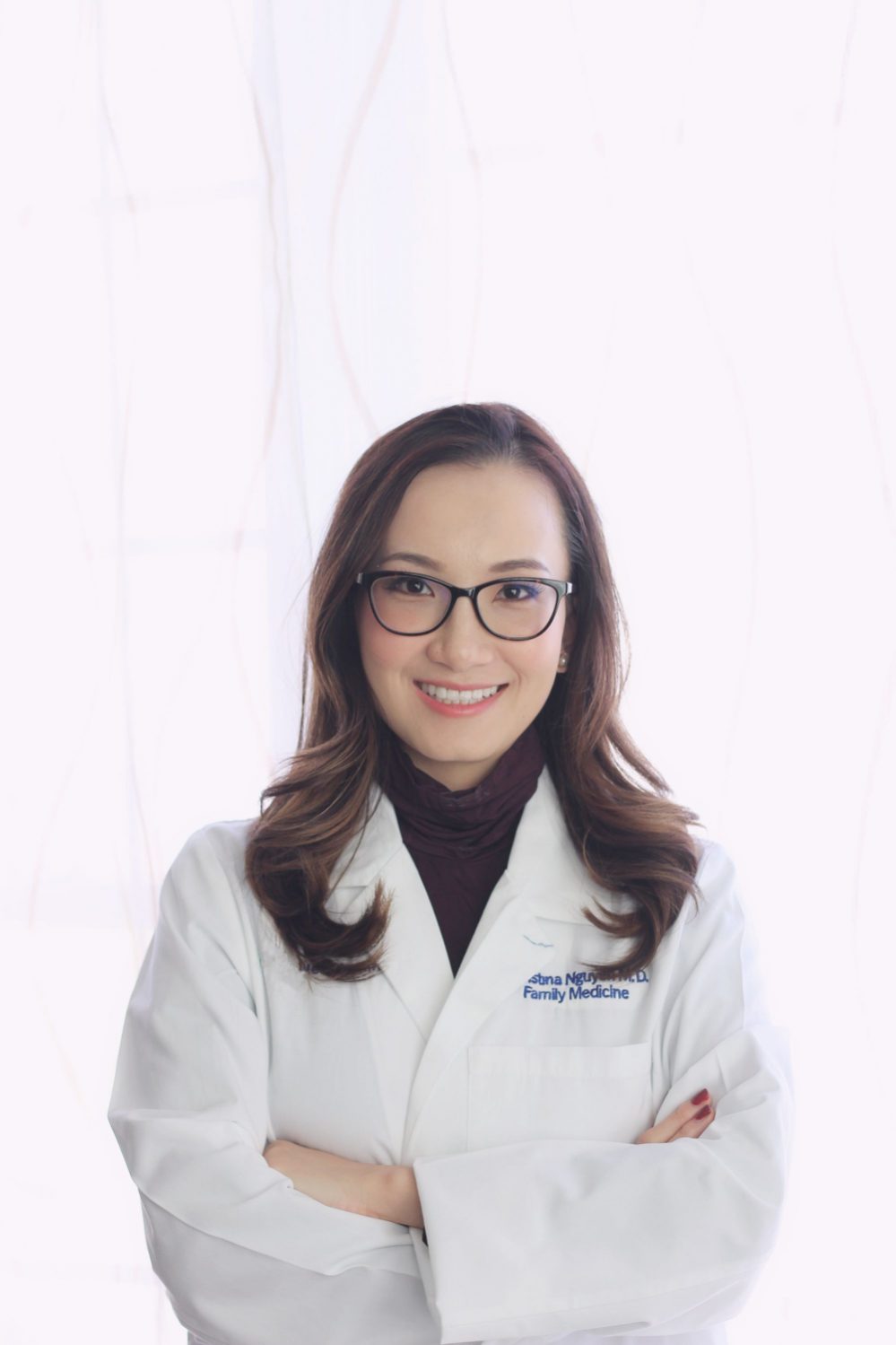
Dr. Christina Nguyen
The Phoenix Medical Academy.