COMMON MISTAKES WHEN STUDYING USMLE STEP 1
Studying USMLE Step 1 is like exercising or learning English.
Most people will be very enthusiastic when starting out in the first days. We can forget to eat or sleep all day long.
“Oh this knowledge is so great, how come I only know about it now?”
“Oh, this side’s lecture videos are so intuitive and easy to understand, but before I only knew how to read such dry books.”
…
But gradually, we will feel tired, depressed and lose the initial excitement, leading to increasingly stagnant study time and performance.
So why do we encounter that problem? In this article, I will share about the mistakes that I have observed and realized through the process of coaching students as well as receiving messages from IMGs.
1. Lack of selectivity in choosing USMLE STEP 1 review materials
The first mistake and also the most common among free candidates is trying to learn all knowledge, from ALL different sources: Kaplan, Pathoma, AMBOSS, Osmosis, Physeo, etc. for fear of missing something.
The general mentality is like that, when we first start preparing, we often “engage” in synthesizing a lot of documents, qbank, tools… that can take us a lifetime to learn all at once, most of which we download for peace of mind and never touch again.
Collecting and storing documents already consumes a lot of your time, let alone printing them out or reading them through.
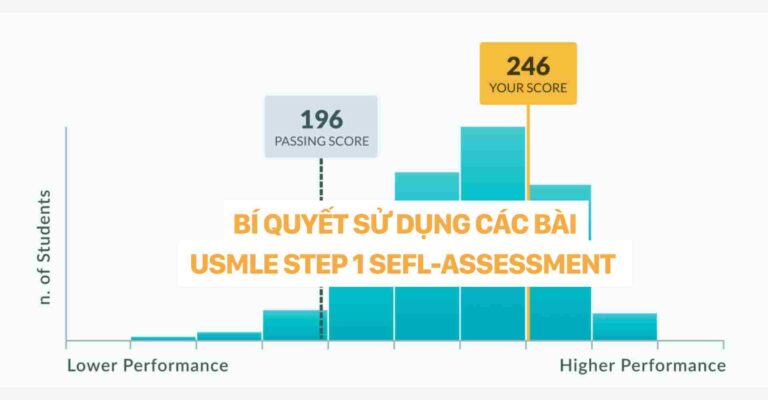
No matter how much of a perfectionist you are, Step 1 score is just one aspect of the score. My profile, but now it is also a pass/fail format instead of scoring like before.
It means that whether you score 270 or 210 points is the same, the admission committee is completely unaware of whether you scored higher than others.
In fact, the time and effort invested to study from 110 to 210 points is much easier than raising from 210 to 270. And as you know, on this American medical residency path, time is more valuable than gold.
The longer the gap year (the time from when you graduate to when you apply for residency), the slimmer your chances of getting into residency are.
So what is the smart way to do it?
I always guide my students to select a small number of suitable documents and focus on sticking to that document throughout the entire process, so that they can pass with a safe score in the shortest time.
You can choose the right document for you by reading/skimming through about 1 chapter of that document to see if it matches your background knowledge and learning style. only then decide to invest time and effort into it.
(At this point, my students will save a little more time than you when I have compiled all the resources for the USMLE available for you to review.)
The documents that I most often recommend for students to use are UWorld, First Aid and the series self-assessment. Besides, if your background knowledge is still weak, you can go through Board & Go beyond first to get back to the root.
About detailed review as well as effective use of Step 1 learning resources, I have an article here, are you interested? You can read to find the right source for you.
Besides, I also advise you to avoid asking too many people for advice, leading to confusion and unnecessary waste of time, 9 people have 10 opinions, the important thing is that the people around you always closely follow your learning progress and understand your abilities, then they will give you appropriate advice.
A satisfactory USMLE Step 1 test score sometimes comes not only from studying a lot, but also from studying intelligently and with a specific strategy. Hopefully my sharing today will be somewhat useful to you.
2. Lack of effective review strategies for USMLE STEP 1
Besides the lack of selectivity when choosing study materials, the lack of effective review strategies can be considered the cause of failure for the majority of IMGs when participating in USMLE Step 1.
According to the latest statistics from the official USMLE website, tduring the year In 2022, the Pass Step 1 rate is 74%, and in 2023, this number drops to 72%.
An interesting thing I also noticed in the statistics is that the success rate of those who retake the test is also very low! (47%). This proves that if you fail once because you don’t have a proper review strategy, you can retake the exam without changing your study style, and you can still fail again!
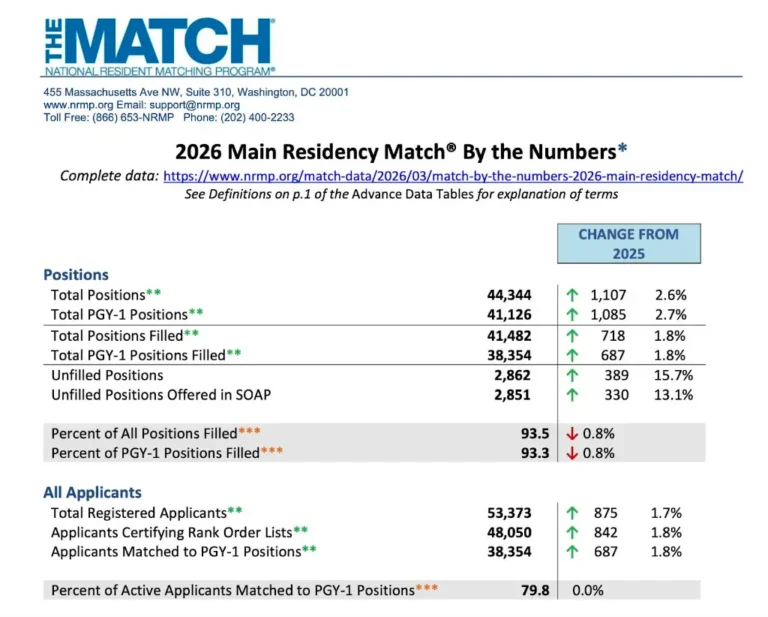
Failing this exam even once will make the following exams, as well as your application, need to be much better and more competitive to win the rare Match opportunity.
This further confirms the importance of strategic review. Passing the USMLE is like climbing a mountain peak. Without a specific route, you will easily get lost, waste time and remain confused without ever being ready for the exam.
So:
2.1. What is an effective study strategy?
1. No clear plan:
-
- Confused about where to start.
- Can’t determine what goal I will have to learn today, this week, this month.
- Don’t know which material to study first, which material later.
- Switch freely between sources without a specific purpose.
2. Unable to connect theory to practical application:
-
- Focusing too much on theory (eg: learning First Aid all at once) without doing UWorld to check the level of understanding, or vice versa, only doing UWorld but not systematizing basic knowledge and missing parts.
3. Do not evaluate learning progress:
-
- Do not use periodic assessment tests such as NBME or Free 120 to determine strengths, weaknesses, as well as progress after the review process.
- Doing UWorld but not reading the explanations carefully, not analyzing the causes of errors after each test.
Because of these mistakes, you can spend a whole year studying but in the end you get nowhere, the knowledge is fragmentary, the concepts Concepts and concepts are not linked together, people are increasingly self-conscious, doubting their own abilities every time they get a question wrong or don’t see their scores improve.
2.2 What is the right direction?
1. Make a Clear Study Plan
- First, determine a specific goal:
For example: “In the next 6 months, I must complete round 1 of UWorld and read First Aid once.” - Then, break your goals down by day/week:
- Every day do 1 UWorld block (~40 questions) and read the corresponding Fist Aid section.
- Every week, spend one Sunday to review the wrong questions of the week and summarize the knowledge learned in the past week.
2. Learning According to Scientific Order
- Combining theory and practice:
- Study each section of First Aid along with taking UWorld questions on that topic.
- For example: Study the chapter “Cardiology” in FA, then take UWorld questions related to the cardiovascular system. This helps you easily link dry theoretical knowledge with practical application questions.
- Create connections between topics:
- Study by systems at the beginning to understand the knowledge about that organ, then switch to random mode to get used to the real exam format.
3. Read the Explanations
carefully
In the first round, UWorld’s goal is not to evaluate itself, but to learn from mistakes, so just looking at the score at this point is a big mistake.
Make full use of the explanations on each question to understand why the correct answer is correct, and why the incorrect choices are incorrect. Thus, your knowledge about that topic will be much more firmly consolidated.
4. Take Periodic Practice Tests
- Regularly take the test:
- After completing a round of UWorld/monthly/quarterly or completing a large portion of knowledge, take an NBME or Free 120 to check your progress.
- Analyze strengths and weaknesses:
- Identify the topics you often get wrong to focus on improving.
- If there is no progress after a few tests, you need to review and adjust your review strategy.
5. Create Effective Study Habits
- Apply the Pomodoro technique: Study for 50 minutes, rest for 10 minutes to maintain focus and efficiency when studying.
- Build a fixed timetable:
- Try to prioritize time in the morning (when your mind is most alert) for difficult topics. This is also the time to take the real test, so even if you are a night owl, you should still study and take practice tests at this time to ensure that the simulation practice environment is as realistic as possible.
- Evenings are spent reviewing knowledge after the day, taking short tests or resting.
The journey to success with USMLE Step 1 requires constant effort, but effort alone is not enough.
I believe that is a review strategy. Practicing properly will help you save a lot of time and money, retain your initial enthusiasm and achieve the desired results.
Hopefully my sharing today will partly help you have a more optimal approach when entering this path.
Wish you success! Please comment “yes” if the article is useful to you!
Dr. Christina Nguyen
Phoenix Medical Academy.