DO RESIDENT DOCTORS IN THE US ARE ABLE TO WORK MORE?
Similar to Vietnam, during residency training, doctors in the US, in addition to focusing on their main work at the hospital, can also moonlighting to increase income and accumulate experience.
1. So what is moonlighting?
Moonlighting is the practice of allowing resident doctors to work overtime at the hospital they are working at or at other medical facilities, especially in areas lacking human resources such as the suburbs of the city. They can also work extra on holidays, New Year or when the main doctor is on leave.
2. What is the income level from moonlighting?
This is a job that brings an extremely attractive source of income for resident doctors as the remuneration usually ranges from 100-500 USD/hour, depending on the specialty and work location.
My friend previously shared that she earned nearly $3000 for 24 hours of work in a weekend. And the reality is that this salary is not rare. Specialties such as anesthesiologists or psychiatrists have even higher salaries.
In addition to the hourly salary, when working as moonlight, you can also receive other supports such as:
- Hotel costs: If your job is far away (about 1-2 hours drive from where you live), you can get support from your workplace to pay/rent a hotel in advance to have a place to rest.
- Meals: Some places will subsidize the cost of meals during your shift.
- Malpractice insurance: This is an extremely important factor because it will protect you in the unfortunate event of legal issues related to patients. Some places will take care of this cost for you, others you need to buy it yourself.
Therefore, if you have health, time and are willing to work extra, earning a few tens of thousands of dollars from this job is not too far-fetched.
3. Time and nature of work
Moonlighting has two main types: internal (in the inpatient system) and external (done in outside hospitals). Each type has its own characteristics, affecting the nature of the work you will do.
For internal moonlighting, you can sign up to work overtime at the local hospital if they are short of people, such as extra duty in the emergency department, ICU, night shift for hospitalized patients, etc. Most of you will not have to worry about professional insurance when doing internal moonlighting.
For external moonlighting, you can find opportunities through broker channels (companies or individuals specializing in providing moonlighting services). When there are suitable jobs, these companies will send notifications via email, text or phone to you to inform about time, location, salary, and specific job requirements.
If the job meets your schedule, income level, and other requirements, you can agree and seek approval from your residency program to begin additional work.
External moonlighting work will often be more diverse – you can work urgently care clinics, doing telemedicine, or going to hospitals in small neighboring cities that need people to be on duty in the emergency department, on night duty, to perform procedures, etc.
Usually, external moonlighting will give doctors higher income but also greater responsibility, because it requires doctors to be able to work independently, without the guidance or supervision of attending doctors.
The specific working hours of each job will vary depending on the specific needs of the employer. In addition, when working part-time, your workload will also vary depending on the location and time of work. There are days when there are many patients and the work requires high intensity, but there are also days when there are quiet days with less work. During a 24-hour shift, when you are less sick, you can completely take advantage of the rest.
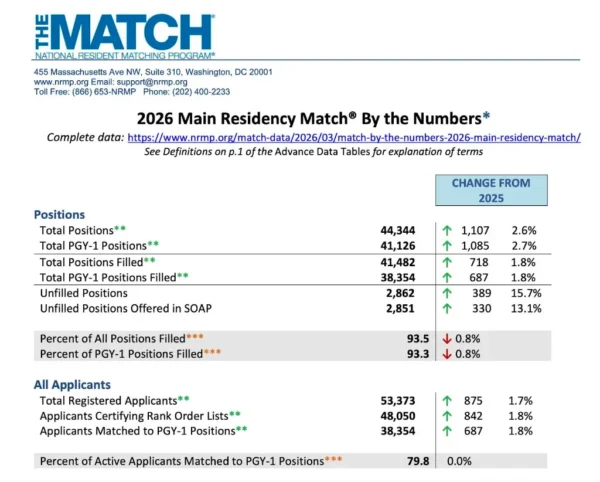
SECRETS BEHIND THE MATCH: WHY ARE YOU SO GOOD BUT STILL FAILED IN US INTERNAL?


4. What are the conditions for working overtime?
Unlike normal jobs, if you are in the residency training process and want to work more, you must have the approval of the residency program director and the necessary certificates. Specifically as follows:
- Full license: You need a full license in the state where you want to work. To get this practice license, you need to have USMLE step 3, have completed 1 year or more in a formal residency training program in the US (the specific number of years depends on the state), have a clean record, and include an application fee.
- Time allowed: Most programs will allow residents from the second year (PGY-2) onwards to participate in moonlighting, provided they have good performance and ensure that the part-time job does not affect their main job.
- Residency program director’s consent: This is a required condition. Every medical resident needs approval from his or her training program director. This is to ensure that extra work does not interfere with core performance and responsibilities in the residency program.
- Working hour limit: According to ACGME, medical residents must not work more than 80 hours/week (averaged over 4 weeks), and must have at least 1 day off in 7 days, along with a limit on continuous shifts (maximum 24 hours + 4 hours of work transfer). This regulation applies to all working hours. Therefore, for most residency programs, if a resident wants to work overtime, the total number of working hours (resident hours + overtime hours) cannot exceed this limit.
- Buy separate professional liability insurance (malpractice insurance): if moonlight is outside the residency program’s network, the cost is about $5,000-$15,000/year depending on the specialty and state.
5. Priority based on residence status
Even though the salary is attractive, not all resident doctors have the opportunity to do this job. Moonlighting will typically give priority to doctors who already have citizenship or a green card, followed by doctors holding H1-B visas.
>
Most J1 visa lines will not allow part-time work.
In short, during the residency training process at In the US, you can absolutely work part-time if you meet the necessary conditions. With an attractive salary and many accompanying benefits, this is an extremely good opportunity to improve income, develop professional skills and build relationships if you have the health, time and hard work.
>
However, it must be said again and again, you will need to consider carefully to ensure your health and work quality because the main workload at the hospital itself is very tiring and stressful.
>
Hopefully this article has provided a useful perspective on the life of a medical resident. in the US!
Please comment “yes” if you like the article!
Dr. Christina Nguyen
The Phoenix Medical Academy