
2022
THERE IS NO ONE AT ALL – FROM MV TO SOCIETY

This morning, when I woke up on Facebook, I read a lot of articles talking about Son Tung-MTP's latest video "There's no one at all."
I went on YT and watched it right away.
And I want to share some thoughts about this video...
Posted in:
Lifelong Learning (Academy) ,
Medical Career ,
Personal Development ,
SOCIAL LIFE ,
THE PHOENIX MEDICAL ACADEMY ,
BECOME A DOCTOR IN THE US – DARK CORNERERS
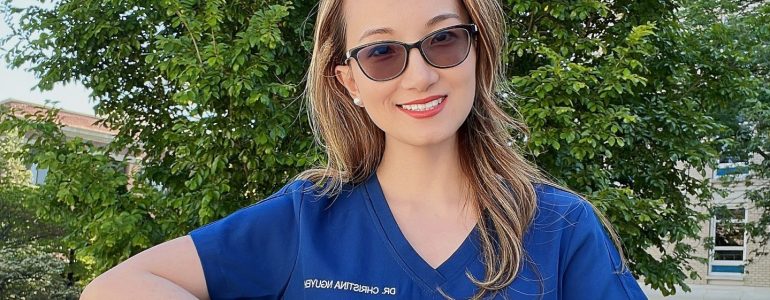
Becoming a doctor in the US has high salaries and many development opportunities.
Being a resident doctor in the US, you don't need to worry about money...
Those are the things the media often mentions when talking about this road. However, every road will have hidden corners that no one tells you about...
IS “WOMEN ARE BETTER THAN EACH OTHER AT HUSBAND” IS STILL APPROPRIATE?
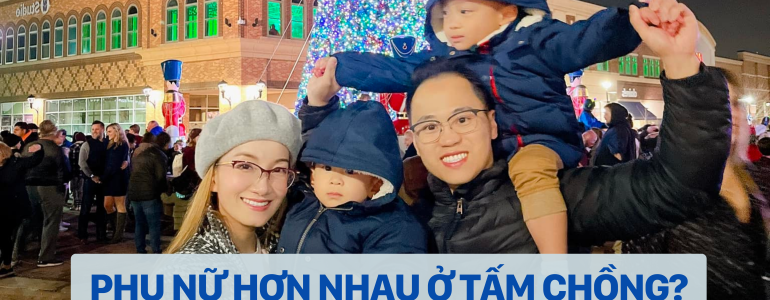
Since childhood, I have heard my sisters say, "Women are better than each other in their husbands." Then in poetry there is a line: "Pitying the fate of a daughter at twelve water stations, clear thanks to the turbidity." I feel so sorry for women. And also feel pressured. Pressure to choose the right husband. If you make the wrong choice, you will suffer, then life will be lost. There were times when I wished I was born a man, instead of a woman. I feel like being a woman is disadvantageous in so many ways...
HOW TO OVERCOME YOUR LIMITS?

I still remember the first time I went in to ask questions and examine patients. At that time, I felt very nervous because I didn't know what the patient's attitude would be, happy or upset, I didn't know if I could speak English to the patient, and whether they would discriminate against me or not.
I'm also worried about whether I'll be clumsy or unintentionally offend the patient...
PREVENT THE RISK OF SUICIDE
What methods are there for us to approach patients with psychological problems?
How do you know when to assess a person's risk of suicide?
What are the interventions when detecting a patient at risk?
Who can intervene?
When and how is intervention appropriate?
Posted in:
Lifelong Learning (Academy) ,
Personal Development ,
SOCIAL LIFE ,
THE PHOENIX MEDICAL ACADEMY ,
WHAT IS DOCTORS WITHOUT BORDER MSF?
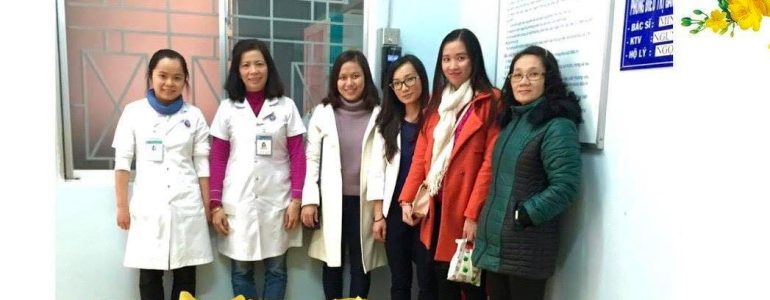
Many people shared with me that one of the reasons I pursued USMLE was that I could help many people by becoming a doctor without borders.
SO WHAT IS DOCTORS WITHOUT BORDER AND WHY DO SO MANY DOCTORS WANT TO APPLY FOR AN AMERICAN MEDICAL REsidency TO FOLLOW THIS PATH?...
10 THINGS US PATIENTS APPRECIATE ABOUT DOCTORS
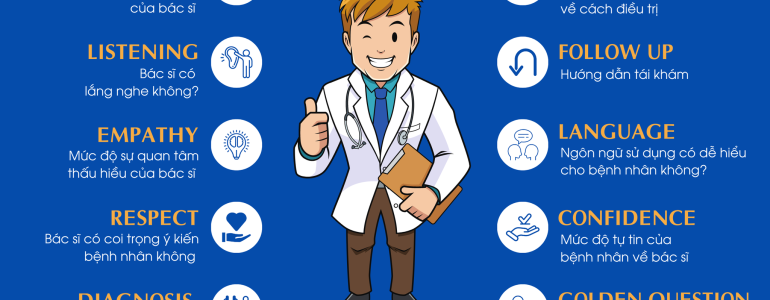
Nowadays in the US, patients often tend to have the notion that they go to the doctor to receive a "health care service" and that's why they want to get a service that makes them feel "good value for money" and satisfied.
This concept may be different from the way of thinking of patients in Vietnam.
So by what criteria will patients evaluate doctors?
10 THINGS AMERICAN PATIENTS EXPECT FROM DOCTORS

Did you know that American patients have expectations for the quality of medical services SIMILAR to those in other service industries such as banking, hotels, airlines, etc.? v.?
Nowadays, patients' experiences with medical examination and treatment services are more important than ever, not only because of the desire for patients to be healthier, but also because state policies as well as patient awareness are changing dramatically, especially American patients.
They know their rights, including the right to participate in their medical examination and treatment process instead of being passive like before, and they also have more expectations from the health care system. Here are 10 things American patients expect from their doctors...
WHAT DO DOCTORS LISTEN TO IMPROVE PROFESSIONALISM?
Currently, there are not many Vietnamese doctors making podcasts, but the English podcast source has grown extremely strongly, touching all small specialties in medicine, in many vivid forms.
Today I would like to introduce to doctors and students the podcast channels of major associations around the world...
5 YOUTUBE CHANNEL ABOUT FOREIGN MEDICAL INDUSTRY (UK, USA…)
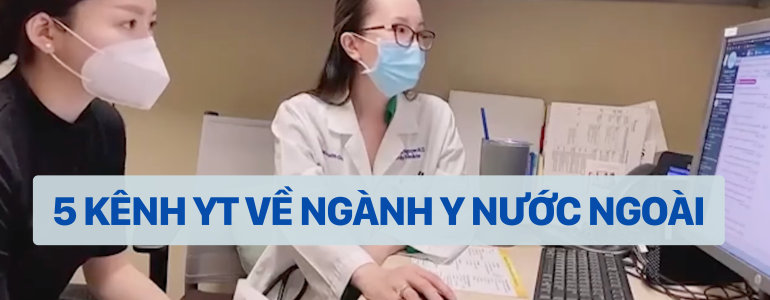
Are you a doctor who wants to examine and treat English-speaking patients?
Are you looking for training opportunities abroad?
Are you a medical student with the desire to participate in exchange programs, take the USMLE exam and become a doctor in the US?
Have you ever tried to imagine what the life of doctors abroad is like?
Let's take a look at 5 great YouTube channels of foreign doctors to learn more about their lives, how they communicate with patients, how they work effectively, how they balance personal life with work and many other useful things...

