
HOW TO OVERCOME YOUR LIMITS?

Làm thế nào để vượt qua giới hạn bản thân khi bạn là một sinh viên Y hoặc một bác sĩ nội trú? Làm thế nào để vượt qua nỗi sợ chẩn đoán sai?...

What to do to overcome your limits?

1. A story about when I was a medical student

I still remember the first time I went in to ask questions and examine patients. 

At that time, I felt very nervous because I didn’t know what the patient’s attitude would be.

Happy or uncomfortable, I didn’t know if I could speak English to the patient, and whether they would discriminate against me or not. I’m also worried about whether I’ll be clumsy or unintentionally offend the patient. 

At that time, I looked around and saw my classmates, everyone was very confident, so I became even more worried. Later when we talked, my friends told me they had a saying, “Fake it till you make it.” It means keep pretending to be confident until you are truly confident.

I also tried chanting a mantra and tried to stay calm and act confident. And indeed, that mantra has also helped me a lot in many difficult situations. 

However, deep inside I always have the feeling of being a fake “Imposter syndrome”.

The feeling that one day other people will discover that I am not really confident, that they will know that I am not as “wise” as they think. I’m just a medical student who has just ventured into the vast world of Medicine.

Therefore, every time a patient or someone compliments me, I always feel ashamed, feeling that they only praise me like that because they don’t know the truth.

2. What did I do to overcome my limits?

Later, I once read a quote that changed my thinking. That is, “Act as if you are the person you want to be.”

Meaning:
“Act as if you are already the person you want to become.”

I have realized that every day I am a medical student, a resident doctor, is a day for me to become more like a real doctor.

And to be like that, I need to let go of the thought that“I’m just a simple medical student who doesn’t know anything.” Or “I’m just a young resident doctor, without much experience.”

Instead, I realized that, the day I understood the mindset:

“Sitting here in the clinic with the patient patient, I am a doctor, and the patient is my patient. The patient is looking forward to diagnosis, care, and treatment, and my duty is to do everything I can to accomplish that goal,” is the day I become like a real doctor.

And not only similar in thinking, but from thinking will come action.

Action by proactively searching and learning ask, read more books, medical journals, and reliable sources to be able to find solutions to patient problems, proactively find ways to bring the best experience to patients.

(From the smallest things like bringing water to the patient when the nurse is busy and can’t do it).

One thing I often do is ask myself“In this case, what would a real doctor do? What?” and from there try to do the same.

This helps me feel more energized and feel more autonomous and independent in my studies as well as in life.

Instead of feeling that I “have” to learn the dry knowledge that my teachers “assign” to me to learn, I feel“excited” eager” to learn, to be able to solve problems for my own patients.

And when asking about the patient’s illness and examining him, I no longer think “Did I ask the patient like that according to the correct procedure?”

But instead:
“If I ask the patient like that, I have all the information necessary to help me diagnose the disease correctly and treat it.” effective for patients?” Since then, I have felt “real” confidence instead of a “confidence shell.”

Now when I am a clinical instructor for medical students, one thing I always tell them in the first session is:

“Think of this as your patient, and you are the doctor. Only then will you become a real doctor.


If you think of yourself as just a student, then your thinking and actions will always be those of a student, but if you think of yourself as a doctor, then your thinking and actions will be those of a doctor.”

I hope this sharing will be useful. Everyone, especially medical students and young doctors.

Please comment “yes” if the article is useful to you.

Dr. Christina Nguyen
~ The Phoenix Medical Academy
If you found this article meaningful, please share it with others!

Làm thế nào để vượt qua giới hạn bản thân khi bạn là một sinh viên Y hoặc một bác sĩ nội trú? Làm thế nào để vượt qua nỗi sợ chẩn đoán sai?...

What to do to overcome your limits?

1. A story about when I was a medical student

I still remember the first time I went in to ask questions and examine patients. 

At that time, I felt very nervous because I didn’t know what the patient’s attitude would be.

Happy or uncomfortable, I didn’t know if I could speak English to the patient, and whether they would discriminate against me or not. I’m also worried about whether I’ll be clumsy or unintentionally offend the patient. 

At that time, I looked around and saw my classmates, everyone was very confident, so I became even more worried. Later when we talked, my friends told me they had a saying, “Fake it till you make it.” It means keep pretending to be confident until you are truly confident.

I also tried chanting a mantra and tried to stay calm and act confident. And indeed, that mantra has also helped me a lot in many difficult situations. 

However, deep inside I always have the feeling of being a fake “Imposter syndrome”.

The feeling that one day other people will discover that I am not really confident, that they will know that I am not as “wise” as they think. I’m just a medical student who has just ventured into the vast world of Medicine.

Therefore, every time a patient or someone compliments me, I always feel ashamed, feeling that they only praise me like that because they don’t know the truth.

2. What did I do to overcome my limits?

Later, I once read a quote that changed my thinking. That is, “Act as if you are the person you want to be.”

Meaning:
“Act as if you are already the person you want to become.”

I have realized that every day I am a medical student, a resident doctor, is a day for me to become more like a real doctor.

And to be like that, I need to let go of the thought that“I’m just a simple medical student who doesn’t know anything.” Or “I’m just a young resident doctor, without much experience.”

Instead, I realized that, the day I understood the mindset:

“Sitting here in the clinic with the patient patient, I am a doctor, and the patient is my patient. The patient is looking forward to diagnosis, care, and treatment, and my duty is to do everything I can to accomplish that goal,” is the day I become like a real doctor.

And not only similar in thinking, but from thinking will come action.

Action by proactively searching and learning ask, read more books, medical journals, and reliable sources to be able to find solutions to patient problems, proactively find ways to bring the best experience to patients.

(From the smallest things like bringing water to the patient when the nurse is busy and can’t do it).

One thing I often do is ask myself“In this case, what would a real doctor do? What?” and from there try to do the same.

This helps me feel more energized and feel more autonomous and independent in my studies as well as in life.

Instead of feeling that I “have” to learn the dry knowledge that my teachers “assign” to me to learn, I feel“excited” eager” to learn, to be able to solve problems for my own patients.

And when asking about the patient’s illness and examining him, I no longer think “Did I ask the patient like that according to the correct procedure?”

But instead:
“If I ask the patient like that, I have all the information necessary to help me diagnose the disease correctly and treat it.” effective for patients?” Since then, I have felt “real” confidence instead of a “confidence shell.”

Now when I am a clinical instructor for medical students, one thing I always tell them in the first session is:

“Think of this as your patient, and you are the doctor. Only then will you become a real doctor.


If you think of yourself as just a student, then your thinking and actions will always be those of a student, but if you think of yourself as a doctor, then your thinking and actions will be those of a doctor.”

I hope this sharing will be useful. Everyone, especially medical students and young doctors.

Please comment “yes” if the article is useful to you.

Dr. Christina Nguyen
~ The Phoenix Medical Academy
If you found this article meaningful, please share it with others!

BECOME A DOCTOR IN THE U.S.

Would you like to learn how to communicate with patients in English to U.S. medical standards, explore the mindset and skills needed to succeed in medicine in America, or learn more about life as a doctor in the U.S.?

BECOME A DOCTOR IN THE U.S.

Would you like to learn how to communicate with patients in English to U.S. medical standards, explore the mindset and skills needed to succeed in medicine in America, or learn more about life as a doctor in the U.S.?

If you found this article helpful, please share it with others!

Leave a Reply

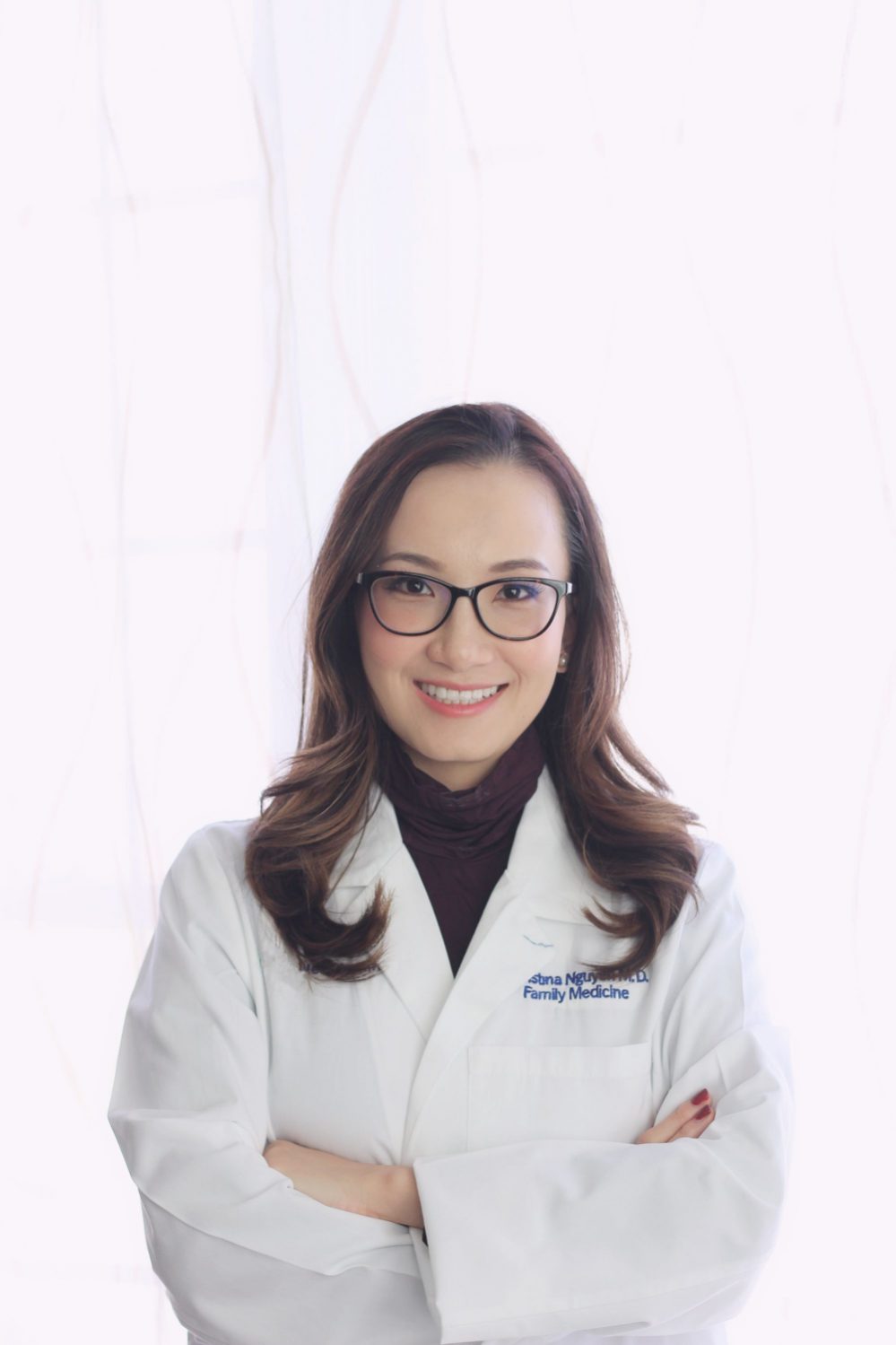
 Dr. Christina Nguyen
Family Doctor in the U.S.

Years ago, when I sat down to write my application essay for the Bill Gates scholarship, I wrote about the dream of becoming a doctor who could help people across languages and cultures. That journey eventually led me to practice family medicine in the United States and to build The Phoenix Medical Academy — so students and immigrant families can find clearer guidance on studying medicine, residency, and life in America.
Get new posts by email