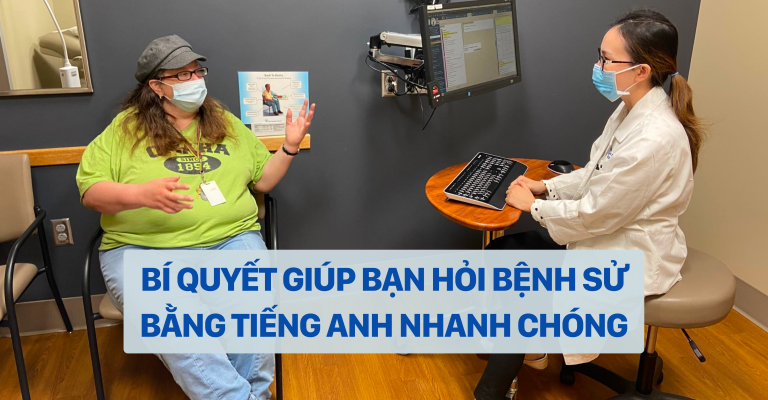
ADVICE FOR AMERICAN PATIENTS – 3 COMMON MISTAKES

What is different about American patients compared to Vietnamese patients?

What are the mistakes that Vietnamese doctors often make when consulting an American patient?

Let’s find out through this article!

Imagine you are consulting a patient with high blood pressure, and you want to convince the patient to take medicine regularly.

With extensive knowledge and experience, you understand the great consequences of not treating promptly and properly. way.

The patient keeps saying,

“I don’t think my blood pressure is very high so I don’t want to take medicine.”

And so you enthusiastically explain, advise with a lot of scientific evidence, etc. v.

The patient is still unmoved, you feel “flurry” inside but don’t know what to do. You walk out of the clinic angrily.

You think to yourself, “I’ve said all the words but still won’t listen. So tiring!”

If you’ve ever had this feeling, you’re probably making one of the following mistakes when consulting with patients.

1. TRYING TO PERSUAD TOO EFFECTIVELY

One of my instructors during my residency training said,

“If you feel like you are TRYING to convince the patient to get treatment, then worrying about the patient more than they worry about themselves means you are doing something wrong.”

(If you are working harder than the patient, you are doing something wrong.)

Every patient has a reason for seeing a doctor, and that reason is important enough for them to spend time, effort, and money to see a doctor.

Therefore, the doctor’s job is to dig deep and give the patient the opportunity to express those deep reasons.

Only when doctors understand the patient’s underlying motivations can they advise effectively.

For example, in the example above, the patient came to the doctor for dizziness, discovered he had high blood pressure, but refused to take medicine.

Instead of trying to persuade, a more effective way is to ask patients open-ended questions to invite them to share.

For example, what prompted them to come in today?
If they don’t get treatment, what will be the consequences?

We need to let patients see and speak for themselves about the value of treatment, and convince themselves.

Because the reality is, among us, no one wants to be persuaded to do anything.
And the more the doctor convinces, the more the patient dislikes it!

number 1 mistake doctor trying to persuade patient to do what he wants
Mistake number 1: Doctor trying to persuade patient to do what he wants at my own discretion.

2. NOT GIVING THE PATIENT A CHOICE

As doctors, we often think we know what is best for our patients.

We know the patient should take this medicine, should do this, should not do that, and sometimes we forget to give the patient choices.

However, no one wants to feel like they are being forced to do anything.

The choice can be between two treatment options, or when the patient says they do not want treatment at this time and comes back for a follow-up appointment to discuss further in the near future, they also feel that their decision is respected and they are not forced to do something they do not want to do.

In the US, this principle is called “shared decision making” meaning “the process of making treatment decisions with the patient’s participation.” This is part of the foundation when communicating and advising patients on treatment in the US.

For example, for patients with high blood pressure, there will be times when the patient wants to try to change diet and exercise and return for a follow-up examination after 2 weeks or 1 month.

If I feel this choice is reasonable and the patient really wants to go in this direction, then I can agree.

Note — in case the patient chooses a path that I think will endanger their life (for example, having a heart attack but refusing treatment, then I… cannot force them).

But I need to clearly state in the medical record that I have carefully advised the pros and cons but the patient does not want to and have the patient sign an Against Medical Advice
(Not following the doctor’s advice).

Mistake No. 2: Not giving patients a choice
Mistake number 2: Not giving patients a choice

3. GIVING PATIENTS TOO MANY CHOICES

The opposite of mistake number 2 is this mistake.

Human psychology likes to choose, but does not want too many choices, because it is easy to get confused.

The same is true in the medical environment.

2 options are best. Maximum is 3 options. More will not help and will be counterproductive.

For example, to treat patients with depression, the first line of medication is SSRIs. There are many types of SSRIs, and research shows that for patients with simple depression, there is not much difference between which one to choose to start treatment with.

So, there is no benefit to us listing a series of drug names and then asking the patient which one they prefer.

Instead, give the patient two drugs that you think can bring the best results and let them choose.

Similarly, if you work for clinics that offer examination and treatment service packages, you should only limit the options to 2-3 packages so that patients can easily make a decision.

Above are 3 common mistakes that make consulting patients unsatisfactory.

If you feel this article is useful to you, please comment “yes“.

If you found this article meaningful, please share it with others!

What is different about American patients compared to Vietnamese patients?

What are the mistakes that Vietnamese doctors often make when consulting an American patient?

Let’s find out through this article!

Imagine you are consulting a patient with high blood pressure, and you want to convince the patient to take medicine regularly.

With extensive knowledge and experience, you understand the great consequences of not treating promptly and properly. way.

The patient keeps saying,

“I don’t think my blood pressure is very high so I don’t want to take medicine.”

And so you enthusiastically explain, advise with a lot of scientific evidence, etc. v.

The patient is still unmoved, you feel “flurry” inside but don’t know what to do. You walk out of the clinic angrily.

You think to yourself, “I’ve said all the words but still won’t listen. So tiring!”

If you’ve ever had this feeling, you’re probably making one of the following mistakes when consulting with patients.

1. TRYING TO PERSUAD TOO EFFECTIVELY

One of my instructors during my residency training said,

“If you feel like you are TRYING to convince the patient to get treatment, then worrying about the patient more than they worry about themselves means you are doing something wrong.”

(If you are working harder than the patient, you are doing something wrong.)

Every patient has a reason for seeing a doctor, and that reason is important enough for them to spend time, effort, and money to see a doctor.

Therefore, the doctor’s job is to dig deep and give the patient the opportunity to express those deep reasons.

Only when doctors understand the patient’s underlying motivations can they advise effectively.

For example, in the example above, the patient came to the doctor for dizziness, discovered he had high blood pressure, but refused to take medicine.

Instead of trying to persuade, a more effective way is to ask patients open-ended questions to invite them to share.

For example, what prompted them to come in today?
If they don’t get treatment, what will be the consequences?

We need to let patients see and speak for themselves about the value of treatment, and convince themselves.

Because the reality is, among us, no one wants to be persuaded to do anything.
And the more the doctor convinces, the more the patient dislikes it!

number 1 mistake doctor trying to persuade patient to do what he wants
Mistake number 1: Doctor trying to persuade patient to do what he wants at my own discretion.

2. NOT GIVING THE PATIENT A CHOICE

As doctors, we often think we know what is best for our patients.

We know the patient should take this medicine, should do this, should not do that, and sometimes we forget to give the patient choices.

However, no one wants to feel like they are being forced to do anything.

The choice can be between two treatment options, or when the patient says they do not want treatment at this time and comes back for a follow-up appointment to discuss further in the near future, they also feel that their decision is respected and they are not forced to do something they do not want to do.

In the US, this principle is called “shared decision making” meaning “the process of making treatment decisions with the patient’s participation.” This is part of the foundation when communicating and advising patients on treatment in the US.

For example, for patients with high blood pressure, there will be times when the patient wants to try to change diet and exercise and return for a follow-up examination after 2 weeks or 1 month.

If I feel this choice is reasonable and the patient really wants to go in this direction, then I can agree.

Note — in case the patient chooses a path that I think will endanger their life (for example, having a heart attack but refusing treatment, then I… cannot force them).

But I need to clearly state in the medical record that I have carefully advised the pros and cons but the patient does not want to and have the patient sign an Against Medical Advice
(Not following the doctor’s advice).

Mistake No. 2: Not giving patients a choice
Mistake number 2: Not giving patients a choice

3. GIVING PATIENTS TOO MANY CHOICES

The opposite of mistake number 2 is this mistake.

Human psychology likes to choose, but does not want too many choices, because it is easy to get confused.

The same is true in the medical environment.

2 options are best. Maximum is 3 options. More will not help and will be counterproductive.

For example, to treat patients with depression, the first line of medication is SSRIs. There are many types of SSRIs, and research shows that for patients with simple depression, there is not much difference between which one to choose to start treatment with.

So, there is no benefit to us listing a series of drug names and then asking the patient which one they prefer.

Instead, give the patient two drugs that you think can bring the best results and let them choose.

Similarly, if you work for clinics that offer examination and treatment service packages, you should only limit the options to 2-3 packages so that patients can easily make a decision.

Above are 3 common mistakes that make consulting patients unsatisfactory.

If you feel this article is useful to you, please comment “yes“.

If you found this article meaningful, please share it with others!

BECOME A DOCTOR IN THE U.S.

Would you like to learn how to communicate with patients in English to U.S. medical standards, explore the mindset and skills needed to succeed in medicine in America, or learn more about life as a doctor in the U.S.?

BECOME A DOCTOR IN THE U.S.

Would you like to learn how to communicate with patients in English to U.S. medical standards, explore the mindset and skills needed to succeed in medicine in America, or learn more about life as a doctor in the U.S.?

If you found this article helpful, please share it with others!

Leave a Reply

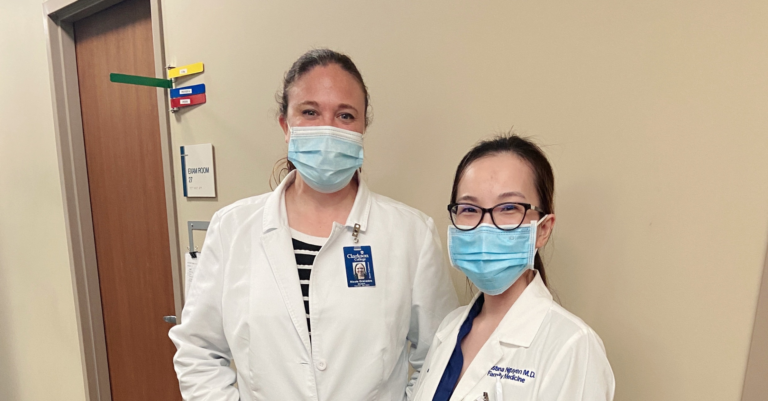
 Dr. Christina Nguyen
Family Doctor in the U.S.

Years ago, when I sat down to write my application essay for the Bill Gates scholarship, I wrote about the dream of becoming a doctor who could help people across languages and cultures. That journey eventually led me to practice family medicine in the United States and to build The Phoenix Medical Academy — so students and immigrant families can find clearer guidance on studying medicine, residency, and life in America.

Get new posts by email