Why is it necessary to be good at Medical English, especially communicative Medical English, especially in the current wave of extremely strong word-to-word translation?

What opportunities will Medical English, especially communication English in the medical environment, bring you?

Listen to my story from the perspective of a doctor working in a country where the majority of patients are speak English.

He is over 70 years old.
Today was the first time he had an appointment with me.


Looking through his profile before coming in, I quickly wrote down important information –  medical history, current medications, allergies, etc. v.

When I opened the door and walked in, I saw the doctor sitting on the examination table waiting. Wearing a short-sleeved shirt and neat khaki pants, he greeted me with a friendly smile with a Central American accent.

When I asked why he wanted to change doctors and come see me today, he said:

“I feel like there’s something wrong with my health. 
I feel uncomfortable tingling pain in my stomach and have lost nearly 7 kg in the past 3 months, even though nothing has changed in my diet and exercise. I went to see my old doctor and the doctor just let it go and didn’t do anything. I said, but he seemed to listen but didn’t understand what I said. What. 

I want to find out why I’m like this.”

tiếnh anh giao tiếp chuyên ngành y khoa
Dialogue between doctor and patient.

I listened to every word he said, sometimes shorthanding important points.

After examining him, I shared with him that I agreed with him that these symptoms could not be ignored and advised him to continue doing tests and abdominal CT scans. 

Before leaving, the doctor held my hand tightly and said thank you for listening and dedicatedly examining and diagnosing him.

After examining him, I went back to the room to complete his medical records while waiting for the nurse to prepare for the next patient.

2 days later, I received the results of the test and CT of the doctor’s abdomen – he had a tumor in the pancreas area, very likely to be cancerous.

Even though I was worried about the possibility of cancer with his symptoms, I was still shocked when I read the test results.

I calmed down, called for a consultation with the radiologist and oncologist to make a decision on the next step. follow.

After I had the specific information, I called him and asked him if this was a good time to talk about the results.

He said I should speak naturally because he was mentally prepared.

vì sao phải giỏi tiếng anh chuyên ngành y, tiếng anh giao tiếp trong môi trường y tế, tiếng anh giao tiếp ngành y
The doctor reassures the patient.

I shared with him the test results, there was a high risk of cancer and needed further testing with oncologists, if he wanted to go in this direction.

He asked a few more questions and agreed with this direction. 

I reassure you while answering and giving you detailed instructions. 

After talking with the doctor, I wrote an order for an urgent consultation with an oncologist at the best hospital in the city.

2. Read specialized documents and update your knowledge

During my lunch break, I took the opportunity to read more documents about my doctor’s tumor and update information about pancreatic cancer.

Not only that, every year I always have the clinic cover all expenses to go to CME courses, update the most advanced medical knowledge to serve my work.

And then…

Suddenly I realized, I had done it all. this is in English!

3. Conclusion

For me, I need to be good at Medical English to be able to care for patients in the best way.


I need to be good at Medical English so that language is no longer a barrier between me and the patient.

 
Instead of worrying about how to listen and speak English, I can wholeheartedly put all my effort into diagnosis, treatment, and treatment. care about them.

And you, why do you have to be good at Medical English?

If you found this article meaningful, please share it with others!

Why is it necessary to be good at Medical English, especially communicative Medical English, especially in the current wave of extremely strong word-to-word translation?

What opportunities will Medical English, especially communication English in the medical environment, bring you?

Listen to my story from the perspective of a doctor working in a country where the majority of patients are speak English.

He is over 70 years old.
Today was the first time he had an appointment with me.


Looking through his profile before coming in, I quickly wrote down important information –  medical history, current medications, allergies, etc. v.

When I opened the door and walked in, I saw the doctor sitting on the examination table waiting. Wearing a short-sleeved shirt and neat khaki pants, he greeted me with a friendly smile with a Central American accent.

When I asked why he wanted to change doctors and come see me today, he said:

“I feel like there’s something wrong with my health. 
I feel uncomfortable tingling pain in my stomach and have lost nearly 7 kg in the past 3 months, even though nothing has changed in my diet and exercise. I went to see my old doctor and the doctor just let it go and didn’t do anything. I said, but he seemed to listen but didn’t understand what I said. What. 

I want to find out why I’m like this.”

tiếnh anh giao tiếp chuyên ngành y khoa
Dialogue between doctor and patient.

I listened to every word he said, sometimes shorthanding important points.

After examining him, I shared with him that I agreed with him that these symptoms could not be ignored and advised him to continue doing tests and abdominal CT scans. 

Before leaving, the doctor held my hand tightly and said thank you for listening and dedicatedly examining and diagnosing him.

After examining him, I went back to the room to complete his medical records while waiting for the nurse to prepare for the next patient.

2 days later, I received the results of the test and CT of the doctor’s abdomen – he had a tumor in the pancreas area, very likely to be cancerous.

Even though I was worried about the possibility of cancer with his symptoms, I was still shocked when I read the test results.

I calmed down, called for a consultation with the radiologist and oncologist to make a decision on the next step. follow.

After I had the specific information, I called him and asked him if this was a good time to talk about the results.

He said I should speak naturally because he was mentally prepared.

vì sao phải giỏi tiếng anh chuyên ngành y, tiếng anh giao tiếp trong môi trường y tế, tiếng anh giao tiếp ngành y
The doctor reassures the patient.

I shared with him the test results, there was a high risk of cancer and needed further testing with oncologists, if he wanted to go in this direction.

He asked a few more questions and agreed with this direction. 

I reassure you while answering and giving you detailed instructions. 

After talking with the doctor, I wrote an order for an urgent consultation with an oncologist at the best hospital in the city.

2. Read specialized documents and update your knowledge

During my lunch break, I took the opportunity to read more documents about my doctor’s tumor and update information about pancreatic cancer.

Not only that, every year I always have the clinic cover all expenses to go to CME courses, update the most advanced medical knowledge to serve my work.

And then…

Suddenly I realized, I had done it all. this is in English!

3. Conclusion

For me, I need to be good at Medical English to be able to care for patients in the best way.


I need to be good at Medical English so that language is no longer a barrier between me and the patient.

 
Instead of worrying about how to listen and speak English, I can wholeheartedly put all my effort into diagnosis, treatment, and treatment. care about them.

And you, why do you have to be good at Medical English?

If you found this article meaningful, please share it with others!

BECOME A DOCTOR IN THE U.S.

Would you like to learn how to communicate with patients in English to U.S. medical standards, explore the mindset and skills needed to succeed in medicine in America, or learn more about life as a doctor in the U.S.?

BECOME A DOCTOR IN THE U.S.

Would you like to learn how to communicate with patients in English to U.S. medical standards, explore the mindset and skills needed to succeed in medicine in America, or learn more about life as a doctor in the U.S.?

If you found this article helpful, please share it with others!

Leave a Reply

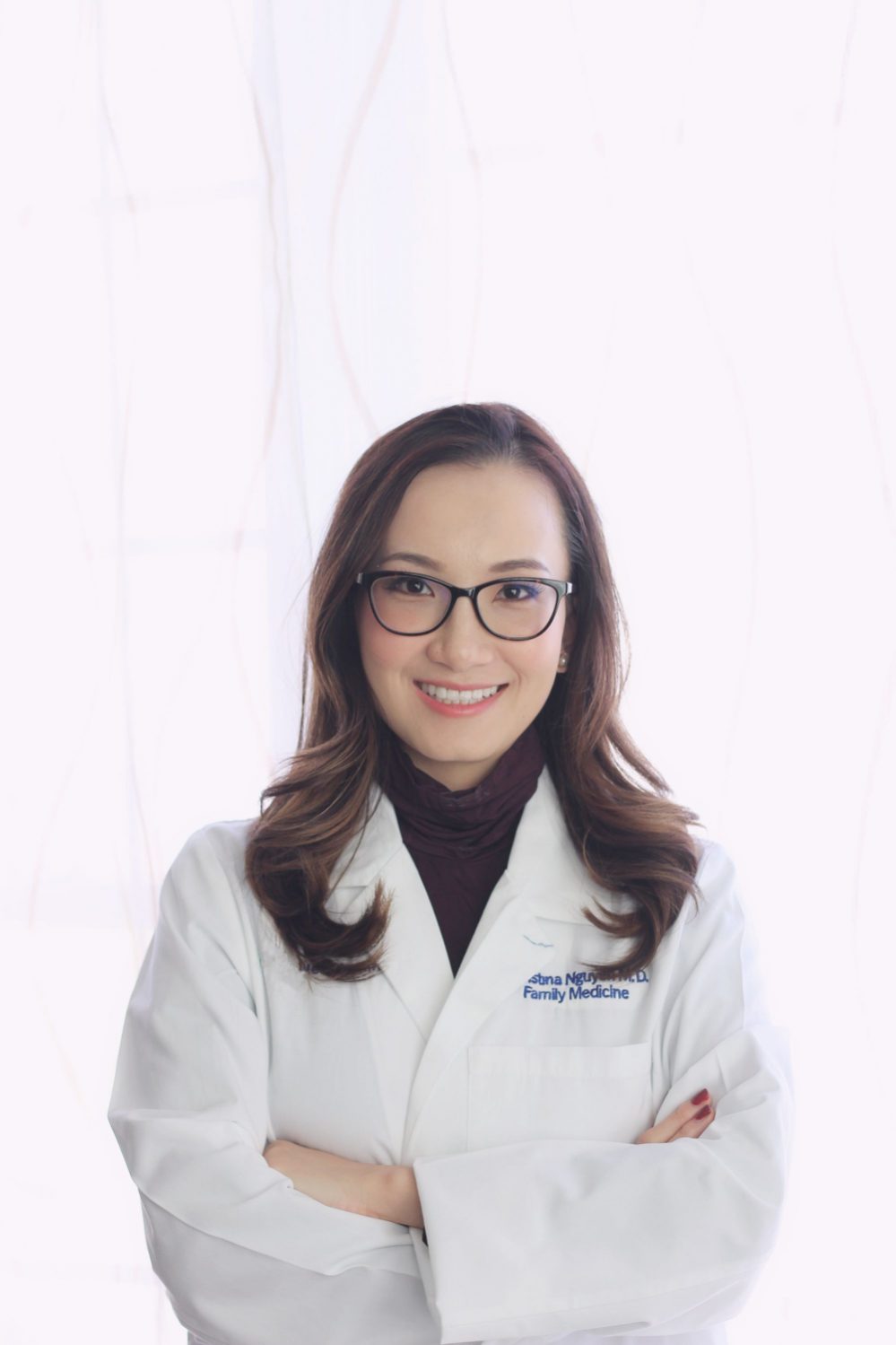
 Dr. Christina Nguyen
Family Doctor in the U.S.

Years ago, when I sat down to write my application essay for the Bill Gates scholarship, I wrote about the dream of becoming a doctor who could help people across languages and cultures. That journey eventually led me to practice family medicine in the United States and to build The Phoenix Medical Academy — so students and immigrant families can find clearer guidance on studying medicine, residency, and life in America.

Get new posts by email