4 DIFFERENT POINTS BETWEEN THE AMERICAN MEDICINE REsidency Program and Hanoi Medicine

4 ĐIỂM KHÁC NHAU GIỮA CHƯƠNG TRÌNH NỘI TRÚ Y KHOA MỸ VÀ ĐẠI HỌC Y HÀ NỘI

Match Day for resident doctors K49 of Hanoi Medical University has just taken place and received a lot of attention from everyone. So I also want to share some more information about American medical residency so you can have Add a new perspective on the medical profession here.


Note: The information below about the exam and the BSNT program of Hanoi Medical University is completely learned by me from a limited number of sources, so if there is anything incorrect, please help me correct it.

1. Regarding scale:

Unlike in Vietnam, where the residency exam is only for aspiring doctors and can only be taken once right after you graduate, in the US, passing the residency exam is mandatory for you to be able to practice legally. There is no limit on the number of times, the number of programs registered per time, as well as the age when you register for residency. 

 >

Therefore, the scale of this exam is extremely large. 

 >

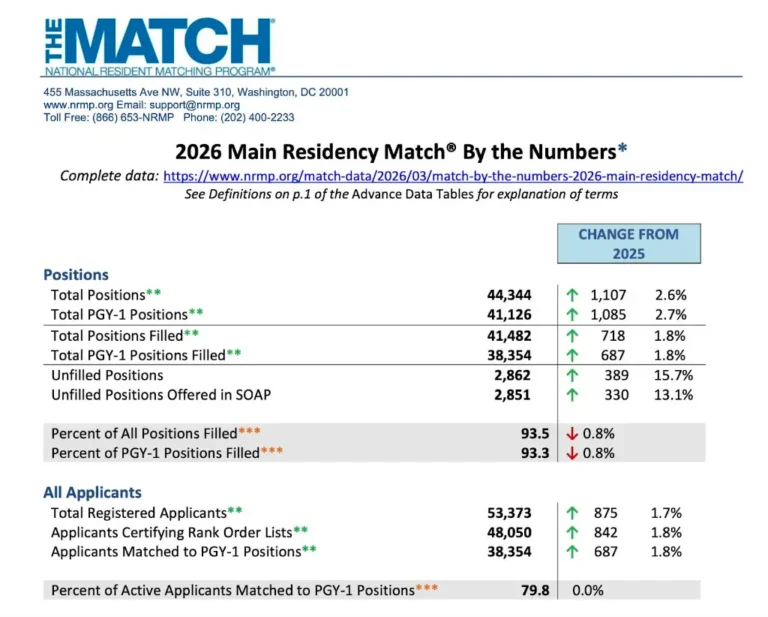
In 2024 alone, 50,413 candidates registered, including doctors in the US (AMG) and qualified doctors from anywhere in the world (IMG).

  >

There were 38,494 (out of a total of 50,413) candidates accepted into 6,395 residency training programs across the United States, accounting for ~ 76.4%.


Over 72 years of history, the number of registered candidates and training programs has continuously increased over the years, these are also the largest numbers recorded to date.

2. Form of participation

In Vietnam, the selection process is based on a single exam (multiple choice or essay format depending on each school). For example, at YHN, this exam will include Basic subjects (Anatomy, Physiology, Biochemistry, Biology), Specialty 1 (Internal Medicine, Pediatrics), Specialty 2 (Surgery, Obstetrics). 

 >

After the entrance exam results are available, students from high to low scores will have the right to choose the specialty they like, absolutely no need to interview with the leader/main doctor/BSNT in that specialty.

In the US, this process is very complicated and there is a large system dedicated to this area, called NRMP Match. Therefore, calling it American Medical Residency registration would be more correct than “American residency exam”.

 >

In addition to mandatory multiple-choice exams such as Step 1 (asks for knowledge of all basic medical subjects Department), Step 2 CK (asks about applying medical knowledge to clinical practice), OET (for IMG), then to apply to any residency program, you need a letter of recommendation (LOR), CV, personal essay (PS), participating in research projects, volunteer programs,… style=”font-weight: 400;”>In particular, you need to pass the application round to be interviewed directly with boarding programs. 

 >

In this round, candidates with higher Step 2 test scores are not necessarily more likely to be called for an interview than the remaining candidates. 

 >

Residency programs in the US emphasize a candidate’s personal and personality fit with their program rather than really high scores. 

 >

Therefore, they will carefully screen candidates, from reading essays and CVs to sending interview invitations to every small detail you show in your interview.

After the interview process (usually lasting 4 months) ends, candidates will submit their wish list, and at the same time, the programs will also send to the system the candidates they consider suitable. 

 >

The Matching process will be calculated and screened by the system so that suitable programs and candidates will be paired together. Results will be announced and emailed to candidates in March every year.

3. "Hot" specialties this year

Instead of Dermatology like in previous years, this year we witnessed a spectacular change in Obstetrics and Gynecology when continuously the valedictorian and salutatorian chose to join this subject, continuously, just reaching STT 26 was enough to “burn” the slot.


In addition, Aesthetic Plastic Surgery Aesthetics, Pediatrics, Diagnostic Imaging, Anesthesia, Oncology, and Dermatology are also the specialties that the top students “choose to send gold”.


In the US, this year recorded impressive growth of the Primary Care sector, including: Family Doctors, Internal Medicine, Pediatrics & Pediatrics, accounting for 46.8% of the number of accepted candidates!

 >

In addition, this is also the year that witnessed the recovery of the Emergency Medicine major, after 2 years of continuous decline in numbers due to working pressure during the Covid period.

  >

Obstetrics and gynecology is also one of the hottest specialties of all time when up to 99.6% of medical doctor positions in this industry are filled and this rate has never been below 99% in the past 5 years!
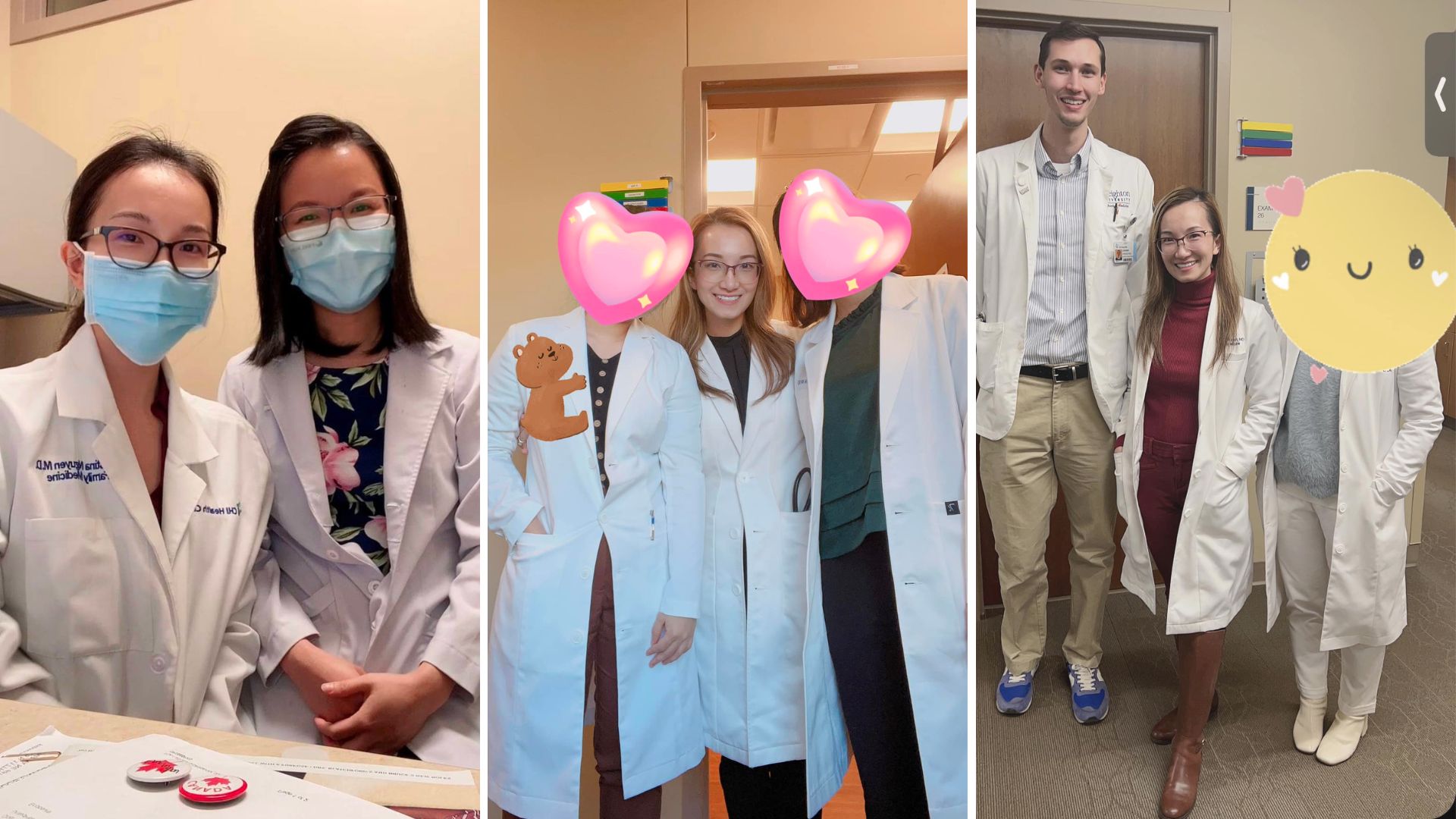
dr christina nguyen us medical coaching program
Doctors are guided by me to apply for American medical residency.

4. Life of resident doctors

I believe that whether in Vietnam or the US, the residency training process for every doctor is extremely difficult and stressful when the workload is extremely large.

  >

Most people’s lives will only revolve around the hospital and motel rooms, with little time to eat, sleep, or rest. 80 hours or sometimes more.

However, in Vietnam, once you enter boarding school, your future will definitely be more stable than your peers. 


You will study in-depth in the major you choose under the guidance of the top teachers in that specialty in the country, work on the front lines, and be exposed to many more difficult diseases, so you will also be much “harder” in your profession. 

 >

Job opportunities after graduation are unquestionable. Getting into medical school is already the elite of the country, getting into residency is even more the elite of the elite. 

This is also a worthy pride and reward after more than 20 years of tireless work for the students.

  >

In the US, although BSNT is hard, it is considered a profession and will receive salaries, bonuses and other benefits. other labor compensation. 

 >

On average they will receive the average salary of an American citizen ~ $63,000. This salary will increase significantly, at least $250,000 ~ 6.3 billion immediately after graduation (not including overtime). This salary will also increase with experience, level of job completion,… 

 >

With this income, doctors are always in the top 5% of the United States. Both gaining a social position and being economically secure.

 >

However, medical school tuition in the US is very high, so when graduating, doctors often owe the government ~ $250,000. However, with the above income level, they usually pay off their debt within a few years. Especially for those who know how to spend wisely, buying a house, car and becoming a millionaire is just a matter of time.


All in all, no matter where you are, becoming a doctor in general and a BSNT in particular, you are all excellent. I always believe and am proud of the generation of doctors in the new era. You will be the ones to inherit and promote the achievements of world medicine, as well as bring human medicine to its brilliant peak.

My above comparisons have absolutely no intention of criticizing this one. that or anything else other than giving you a new perspective and a new direction.

 >

Choosing a medical career is choosing hard work, pressure, loneliness, but in return is happiness when seeing the smiles, recovery and progress of patients. Wishing you good health and strong and soft legs to successfully complete the path you have chosen.

>

If you have any questions about the medical profession in the US and the path to becoming a doctor in the US for doctors in Vietnam, please leave them below in the comment section.

  >

Wish you a happy new day.

If you found this article meaningful, please share it with others!

4 ĐIỂM KHÁC NHAU GIỮA CHƯƠNG TRÌNH NỘI TRÚ Y KHOA MỸ VÀ ĐẠI HỌC Y HÀ NỘI

Match Day for resident doctors K49 of Hanoi Medical University has just taken place and received a lot of attention from everyone. So I also want to share some more information about American medical residency so you can have Add a new perspective on the medical profession here.


Note: The information below about the exam and the BSNT program of Hanoi Medical University is completely learned by me from a limited number of sources, so if there is anything incorrect, please help me correct it.

1. Regarding scale:

Unlike in Vietnam, where the residency exam is only for aspiring doctors and can only be taken once right after you graduate, in the US, passing the residency exam is mandatory for you to be able to practice legally. There is no limit on the number of times, the number of programs registered per time, as well as the age when you register for residency. 

 >

Therefore, the scale of this exam is extremely large. 

 >

In 2024 alone, 50,413 candidates registered, including doctors in the US (AMG) and qualified doctors from anywhere in the world (IMG).

  >

There were 38,494 (out of a total of 50,413) candidates accepted into 6,395 residency training programs across the United States, accounting for ~ 76.4%.


Over 72 years of history, the number of registered candidates and training programs has continuously increased over the years, these are also the largest numbers recorded to date.

2. Form of participation

In Vietnam, the selection process is based on a single exam (multiple choice or essay format depending on each school). For example, at YHN, this exam will include Basic subjects (Anatomy, Physiology, Biochemistry, Biology), Specialty 1 (Internal Medicine, Pediatrics), Specialty 2 (Surgery, Obstetrics). 

 >

After the entrance exam results are available, students from high to low scores will have the right to choose the specialty they like, absolutely no need to interview with the leader/main doctor/BSNT in that specialty.

In the US, this process is very complicated and there is a large system dedicated to this area, called NRMP Match. Therefore, calling it American Medical Residency registration would be more correct than “American residency exam”.

 >

In addition to mandatory multiple-choice exams such as Step 1 (asks for knowledge of all basic medical subjects Department), Step 2 CK (asks about applying medical knowledge to clinical practice), OET (for IMG), then to apply to any residency program, you need a letter of recommendation (LOR), CV, personal essay (PS), participating in research projects, volunteer programs,… style=”font-weight: 400;”>In particular, you need to pass the application round to be interviewed directly with boarding programs. 

 >

In this round, candidates with higher Step 2 test scores are not necessarily more likely to be called for an interview than the remaining candidates. 

 >

Residency programs in the US emphasize a candidate’s personal and personality fit with their program rather than really high scores. 

 >

Therefore, they will carefully screen candidates, from reading essays and CVs to sending interview invitations to every small detail you show in your interview.

After the interview process (usually lasting 4 months) ends, candidates will submit their wish list, and at the same time, the programs will also send to the system the candidates they consider suitable. 

 >

The Matching process will be calculated and screened by the system so that suitable programs and candidates will be paired together. Results will be announced and emailed to candidates in March every year.

3. "Hot" specialties this year

Instead of Dermatology like in previous years, this year we witnessed a spectacular change in Obstetrics and Gynecology when continuously the valedictorian and salutatorian chose to join this subject, continuously, just reaching STT 26 was enough to “burn” the slot.


In addition, Aesthetic Plastic Surgery Aesthetics, Pediatrics, Diagnostic Imaging, Anesthesia, Oncology, and Dermatology are also the specialties that the top students “choose to send gold”.


In the US, this year recorded impressive growth of the Primary Care sector, including: Family Doctors, Internal Medicine, Pediatrics & Pediatrics, accounting for 46.8% of the number of accepted candidates!

 >

In addition, this is also the year that witnessed the recovery of the Emergency Medicine major, after 2 years of continuous decline in numbers due to working pressure during the Covid period.

  >

Obstetrics and gynecology is also one of the hottest specialties of all time when up to 99.6% of medical doctor positions in this industry are filled and this rate has never been below 99% in the past 5 years!

dr christina nguyen us medical coaching program
Doctors are guided by me to apply for American medical residency.

4. Life of resident doctors

I believe that whether in Vietnam or the US, the residency training process for every doctor is extremely difficult and stressful when the workload is extremely large.

  >

Most people’s lives will only revolve around the hospital and motel rooms, with little time to eat, sleep, or rest. 80 hours or sometimes more.

However, in Vietnam, once you enter boarding school, your future will definitely be more stable than your peers. 


You will study in-depth in the major you choose under the guidance of the top teachers in that specialty in the country, work on the front lines, and be exposed to many more difficult diseases, so you will also be much “harder” in your profession. 

 >

Job opportunities after graduation are unquestionable. Getting into medical school is already the elite of the country, getting into residency is even more the elite of the elite. 

This is also a worthy pride and reward after more than 20 years of tireless work for the students.

  >

In the US, although BSNT is hard, it is considered a profession and will receive salaries, bonuses and other benefits. other labor compensation. 

 >

On average they will receive the average salary of an American citizen ~ $63,000. This salary will increase significantly, at least $250,000 ~ 6.3 billion immediately after graduation (not including overtime). This salary will also increase with experience, level of job completion,… 

 >

With this income, doctors are always in the top 5% of the United States. Both gaining a social position and being economically secure.

 >

However, medical school tuition in the US is very high, so when graduating, doctors often owe the government ~ $250,000. However, with the above income level, they usually pay off their debt within a few years. Especially for those who know how to spend wisely, buying a house, car and becoming a millionaire is just a matter of time.


All in all, no matter where you are, becoming a doctor in general and a BSNT in particular, you are all excellent. I always believe and am proud of the generation of doctors in the new era. You will be the ones to inherit and promote the achievements of world medicine, as well as bring human medicine to its brilliant peak.

My above comparisons have absolutely no intention of criticizing this one. that or anything else other than giving you a new perspective and a new direction.

 >

Choosing a medical career is choosing hard work, pressure, loneliness, but in return is happiness when seeing the smiles, recovery and progress of patients. Wishing you good health and strong and soft legs to successfully complete the path you have chosen.

>

If you have any questions about the medical profession in the US and the path to becoming a doctor in the US for doctors in Vietnam, please leave them below in the comment section.

  >

Wish you a happy new day.

If you found this article meaningful, please share it with others!

BECOME A DOCTOR IN THE U.S.

Would you like to learn how to communicate with patients in English to U.S. medical standards, explore the mindset and skills needed to succeed in medicine in America, or learn more about life as a doctor in the U.S.?

BECOME A DOCTOR IN THE U.S.

Would you like to learn how to communicate with patients in English to U.S. medical standards, explore the mindset and skills needed to succeed in medicine in America, or learn more about life as a doctor in the U.S.?

If you found this article helpful, please share it with others!

Leave a Reply

 Dr. Christina Nguyen
Family Doctor in the U.S.

Years ago, when I sat down to write my application essay for the Bill Gates scholarship, I wrote about the dream of becoming a doctor who could help people across languages and cultures. That journey eventually led me to practice family medicine in the United States and to build The Phoenix Medical Academy — so students and immigrant families can find clearer guidance on studying medicine, residency, and life in America.

Get new posts by email