IS IT MONEY TO BE A RESIDENT IN THE US?

dr christina nguyễn LÀM BÁC SĨ NỘI TRÚ TẠI MỸ CÓ TIỀN KHÔNG

RESIDENT DOCTORS IN THE US IS IT MONEY?

The short answer would be “Yes”! 

And not only salary, but also other benefits! 

Today, let’s learn about this topic with me. 

1. BASIC SALARY

This is the official and largest source of income for resident doctors, with the level increasing gradually with each year of training. 

Specifically, salaries of resident doctors usually range from about 65,000 USD/year for the first year (PGY-1). In the following years, the salary will increase from 2,000 to 10,000 USD each year, depending on the program and specialty.

In addition, the basic salary is also adjusted annually to match the inflation rate. For example, according to Medscape statistics in 2023, the average salary of resident doctors is 67,000 USD/year, by 2024, this number has increased to 70,000 USD/year.

In addition, the specific salary also varies depending on the state in which you live. Typically, states with a high standard of living like New York and California often have higher salaries to offset the cost of living.

(For example: NYC Health + Hospital’s residency program is offering a salary of $79,889 for the PGY-1 position, much higher than the average salary of $65,000.)

2. OTHER GRANTS AND ALLOWANCES

In addition to the basic salary, during the residency training process you will also enjoy many additional benefits to support your life and professional development. Common amounts include:


2.1 CME (Continuing Medical Education) Allowance:

  • This is the subsidy that programs offer for medical doctors to buy books, study materials or participate in specialized conferences.
  • The specific amount will vary depending on each boarding program, usually increasing gradually with seniority, usually ranging from a few hundred dollars to several thousand/year. Some large programs can support up to 3-4 thousand/year. 
  • Usually residency programs will not provide cash directly but will reimburse the cost after the resident presents a valid invoice.

2.2 Board Exam Fee Subsidy:

Some programs will partially or fully subsidize the cost (~1,000–3,000 USD) for you to take professional certification exams, for example, take the Board Exam (a mandatory exam after you graduate from residency) to get Board Certification and become an official doctor. 


2.3 Housing and food cost allowance:

In states with a high standard of living like New York, CA, some programs will offer you an additional amount 500-1,000 USD/month to support rental costs.

 >

In addition, boarding programs often have additional food allowances. For example, nearly 10 years ago, when I was in residency, my program would support each doctor 7 USD/meal. In some other places, they can give a fixed amount of about 200-300 USD/month for each student. By now this number is likely to be much higher, because of inflation.

2.4 Paid Leave:

During your residency training, you will take paid leave each year, including:

  • Holiday/vacation: about 20-30 days.
  • Short-term disability leave: up to 13 weeks of leave, including sick leave and 6 weeks of paid maternity leave for female doctors (60%).
  • Parental leave: 10 days, applies to both male and female doctors (not included in the 6 weeks of maternity leave above)
 

2.5 Some other benefits

Besides benefits Above, some programs also offer many other subsidies to help resident doctors save costs such as:

  • Dependants and health care deduction: Support for dependents (such as children, spouse) and medical expenses.
  • Support for adoption costs
  • Providing loan packages with preferential interest rates for home buying employees 
  • Pension 
  • Free Parking and Buses: There are no parking fees and free buses can be used to travel between hospital/clinic campuses.

3. MOONLIGHTING

In addition to the basic salary and allowances as mentioned above, during residency, if you have the time, health and are willing to “plow”, you also have another opportunity: Moonlighting – part-time work.

Unlike the small allowances to help doctors save costs above, moonlighting is actually a job that can significantly increase your income when the salary is up to $100-$500 per month. Now it depends on the specialty. 

However, moonlighting also has its own requirements. I will share specifically about the requirements, job nature, salary, benefits and how to find moonlighting opportunities in the next article.

Please comment “yes” if you are interested in this topic.

Hopefully this article has provided useful information about the life of a resident doctor in the US!

Dr. Christina Nguyen 

Phoenix Medical Academy.

If you found this article meaningful, please share it with others!

dr christina nguyễn LÀM BÁC SĨ NỘI TRÚ TẠI MỸ CÓ TIỀN KHÔNG

RESIDENT DOCTORS IN THE US IS IT MONEY?

The short answer would be “Yes”! 

And not only salary, but also other benefits! 

Today, let’s learn about this topic with me. 

1. BASIC SALARY

This is the official and largest source of income for resident doctors, with the level increasing gradually with each year of training. 

Specifically, salaries of resident doctors usually range from about 65,000 USD/year for the first year (PGY-1). In the following years, the salary will increase from 2,000 to 10,000 USD each year, depending on the program and specialty.

In addition, the basic salary is also adjusted annually to match the inflation rate. For example, according to Medscape statistics in 2023, the average salary of resident doctors is 67,000 USD/year, by 2024, this number has increased to 70,000 USD/year.

In addition, the specific salary also varies depending on the state in which you live. Typically, states with a high standard of living like New York and California often have higher salaries to offset the cost of living.

(For example: NYC Health + Hospital’s residency program is offering a salary of $79,889 for the PGY-1 position, much higher than the average salary of $65,000.)

2. OTHER GRANTS AND ALLOWANCES

In addition to the basic salary, during the residency training process you will also enjoy many additional benefits to support your life and professional development. Common amounts include:


2.1 CME (Continuing Medical Education) Allowance:

  • This is the subsidy that programs offer for medical doctors to buy books, study materials or participate in specialized conferences.
  • The specific amount will vary depending on each boarding program, usually increasing gradually with seniority, usually ranging from a few hundred dollars to several thousand/year. Some large programs can support up to 3-4 thousand/year. 
  • Usually residency programs will not provide cash directly but will reimburse the cost after the resident presents a valid invoice.

2.2 Board Exam Fee Subsidy:

Some programs will partially or fully subsidize the cost (~1,000–3,000 USD) for you to take professional certification exams, for example, take the Board Exam (a mandatory exam after you graduate from residency) to get Board Certification and become an official doctor. 


2.3 Housing and food cost allowance:

In states with a high standard of living like New York, CA, some programs will offer you an additional amount 500-1,000 USD/month to support rental costs.

 >

In addition, boarding programs often have additional food allowances. For example, nearly 10 years ago, when I was in residency, my program would support each doctor 7 USD/meal. In some other places, they can give a fixed amount of about 200-300 USD/month for each student. By now this number is likely to be much higher, because of inflation.

2.4 Paid Leave:

During your residency training, you will take paid leave each year, including:

  • Holiday/vacation: about 20-30 days.
  • Short-term disability leave: up to 13 weeks of leave, including sick leave and 6 weeks of paid maternity leave for female doctors (60%).
  • Parental leave: 10 days, applies to both male and female doctors (not included in the 6 weeks of maternity leave above)
 

2.5 Some other benefits

Besides benefits Above, some programs also offer many other subsidies to help resident doctors save costs such as:

  • Dependants and health care deduction: Support for dependents (such as children, spouse) and medical expenses.
  • Support for adoption costs
  • Providing loan packages with preferential interest rates for home buying employees 
  • Pension 
  • Free Parking and Buses: There are no parking fees and free buses can be used to travel between hospital/clinic campuses.

3. MOONLIGHTING

In addition to the basic salary and allowances as mentioned above, during residency, if you have the time, health and are willing to “plow”, you also have another opportunity: Moonlighting – part-time work.

Unlike the small allowances to help doctors save costs above, moonlighting is actually a job that can significantly increase your income when the salary is up to $100-$500 per month. Now it depends on the specialty. 

However, moonlighting also has its own requirements. I will share specifically about the requirements, job nature, salary, benefits and how to find moonlighting opportunities in the next article.

Please comment “yes” if you are interested in this topic.

Hopefully this article has provided useful information about the life of a resident doctor in the US!

Dr. Christina Nguyen 

Phoenix Medical Academy.

If you found this article meaningful, please share it with others!

BECOME A DOCTOR IN THE U.S.

Would you like to learn how to communicate with patients in English to U.S. medical standards, explore the mindset and skills needed to succeed in medicine in America, or learn more about life as a doctor in the U.S.?

BECOME A DOCTOR IN THE U.S.

Would you like to learn how to communicate with patients in English to U.S. medical standards, explore the mindset and skills needed to succeed in medicine in America, or learn more about life as a doctor in the U.S.?

If you found this article helpful, please share it with others!

Leave a Reply

 Dr. Christina Nguyen
Family Doctor in the U.S.

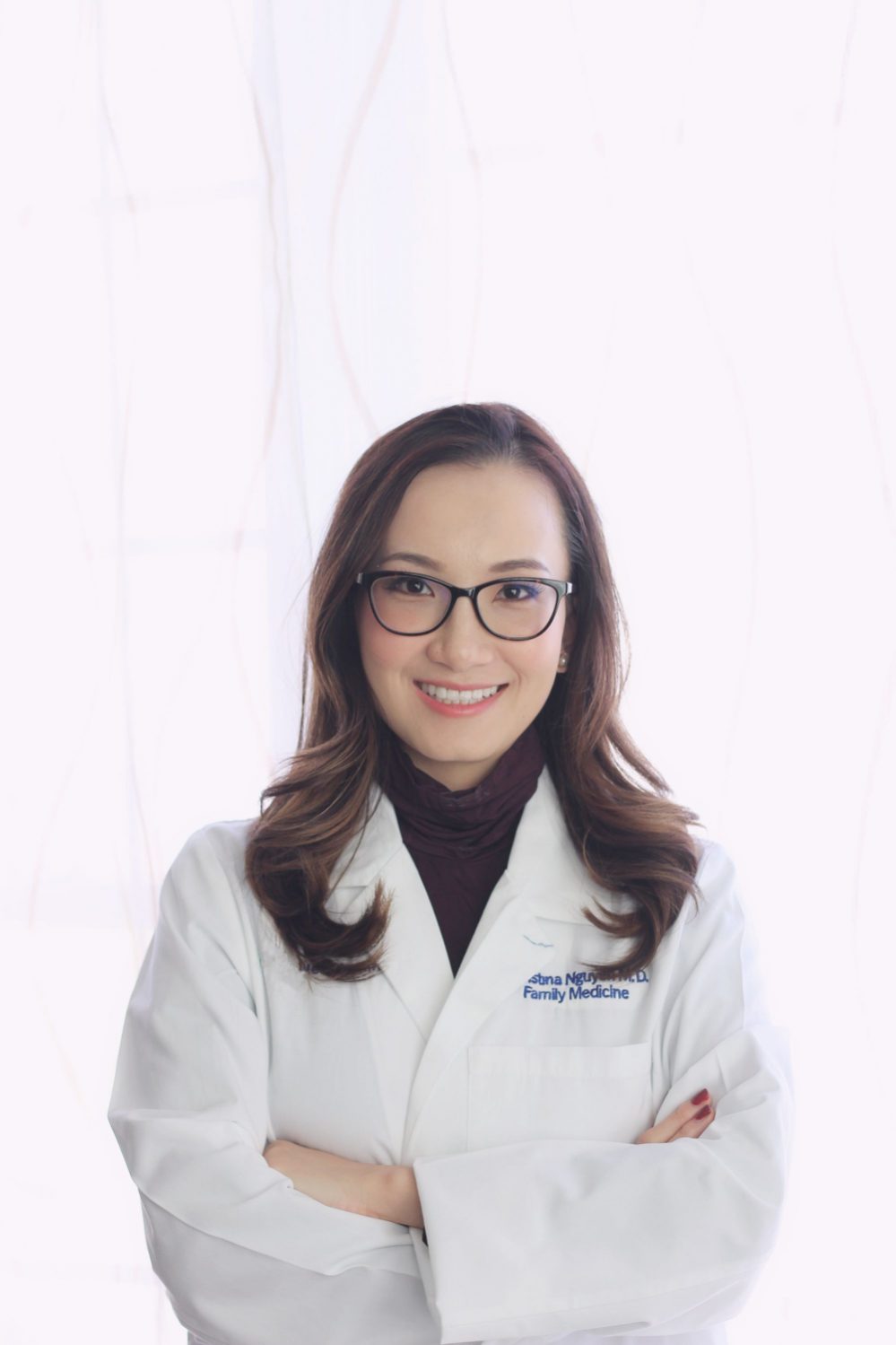
Years ago, when I sat down to write my application essay for the Bill Gates scholarship, I wrote about the dream of becoming a doctor who could help people across languages and cultures. That journey eventually led me to practice family medicine in the United States and to build The Phoenix Medical Academy — so students and immigrant families can find clearer guidance on studying medicine, residency, and life in America.

Get new posts by email