Have you ever advised your best friend not to get back with your ex, but he keeps breaking up, then getting back together, then breaking up again, then coming to you crying?
Have you ever advised a friend to do something that you thought would be very useful for him but he kept saying no and still didn’t do it?
You feel frustrated because you don’t know what to do.
You feel helpless.
You want to ignore it, but because you have a heart, you care, and you want it to be good, you can’t ignore it.
Me too.
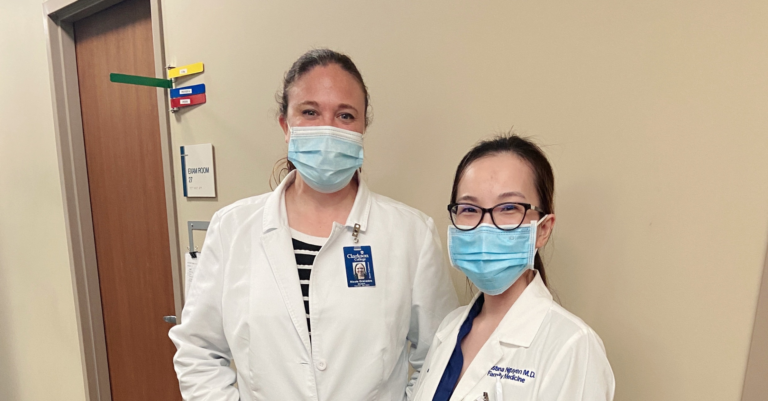
I went into medicine because I want to help the people around me, my patients, have the best health possible. Therefore, after understanding the serious harmful effects of bad habits such as smoking cigarettes, drinking alcohol, etc. I always want my patients to be able to give up those habits, so that their health will not be damaged in the future.
But even though I tried to explain to my patients the harmful effects of these things, they still did not change. Some people promise to change, but it still doesn’t work. Some people say they understand but they don’t want to.
And a mistake I made when I was a medical student, a new resident doctor, was that I equated them not changing with me being a bad doctor, and tormented myself for it. Besides, I also feel annoyed when patients “don’t listen” to me.
My mistake was that I didn’t understand how difficult it is to change a habit. I also don’t understand that each person has their own journey in life, and to give up a bad habit also requires their own psychological readiness.
Gradually, I have come to realize that doctors are only guides and companions to advise patients on the right treatment path, but cannot force them or act for them. Especially American patients, they highly value their right to autonomy with their health care (Patient’s Autonomy), and doctors need to understand and respect their right.
I have learned a very good method in the way American doctors and patients communicate: Motivational Interviewing.
For example – while counseling patients to quit smoking, after asking the patient about their smoking, I will ask “Are you ready to quit?” (Are you ready to quit smoking?) Some people say “Yes”, but there are also many people who say “No.” I will acknowledge that answer, and I also reassure them that I understand and don’t force them “That’s OK that you’re not ready.” Then I will ask more questions to understand them better: “When do you think you’ll be ready?” (When do you think you will be ready?) Some people don’t know when they will be ready, but some people will also have milestones, such as “When I retire from this job, I’ll quit. It’s too stressful now.” (When I retire from this job, I will quit smoking. It’s too stressful right now.) From there I might ask more about their stresses, etc. to learn more about the root cause and have more opportunities to understand patients better to better support each patient according to their situation.
Since I applied this method, I no longer feel “failed” when I can’t convince the patient to quit smoking, or “frustrated” because the patient is “so stubborn” and refuses to listen to my advice. Instead, a better relationship with the patient – the patient does not feel judged or “lectured” when going to the doctor, they are more open to sharing, and they return for follow-up visits in a more comfortable mood, and I also feel lighter.
Indeed, as humans, each person has their own burden – and doctors cannot rush in to help patients. Each person must bear his or her own burden. At some point when they are ready to quit (such as quitting smoking), their doctor will be there to support them. (Similarly, you cannot jump in to take on the burden of your best friend who is suffering in love. Just let it hurt enough and it will let go.)
Understanding this is one of the greatest enlightenments in my life, not only for the medical profession, but also for other relationships in life.
I hope this sharing of mine is somewhat useful to you.
If you want me to share more about my experience with the medical profession in the US, please comment “share”.
Wishing you a peaceful and healthy day.
Dr. Christina Nguyen
Phoenix Medical Academy