2 DIRECTIONS TO APPLY TO AMERICAN MEDICAL REsidency

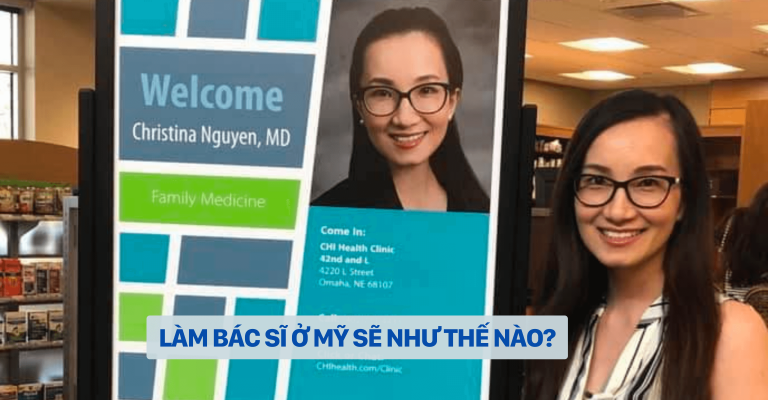
2 HƯỚNG ĐI ĐỂ ĐĂNG KÝ VÀO NỘI TRÚ Y KHOA MỸ dr christina nguyen

2 DIRECTIONS TO APPLY TO AMERICAN MEDICAL RESIDENCY

I - DIRECTIONS 1

Self-study for the USMLE step 1 and step 2 CK exams while studying or working in Vietnam, and register for the Steps exam in Thailand.

The biggest benefit of this direction is that you can save costs, because you can live and work in Vietnam.

However, the biggest obstacle of this direction is that it is difficult for you to gain clinical experience in the US. Clinical experience in the US is an extremely important factor for residency programs to decide whether to accept you or not.

I remember during a conversation with the director of the residency program at my school, I asked her when she evaluated doctor who did not graduate in the US, what do you usually look for? She answered that she wanted to make sure that the doctor understood the medical system and how to work with patients in the US.

At first I was a bit surprised. I thought she would want to see this doctor being excellent, with high USMLE scores, lots of scientific research, etc. but she answered like that.

Later, when I thought about it and put myself in the position of the training programs, I saw that it was very reasonable. The reason is because the medical system in the US is different from other countries, and patients have a lot of demands from their doctors.

They can also easily file a lawsuit against the doctor if they feel dissatisfied. Therefore, residency training programs want their doctors to be proficient in the medical system and not cause problems for them later.

Therefore, they want to see candidates with as much clinical experience in the US as possible. Statistics show that candidates need an average of 3-4 clinical internship courses if they want to enroll in General Internal Medicine, Family Medicine, or Pediatrics, and 5-6 courses if they want to enroll in Surgery specialties.

II - DIRECTIONS 2

Going to the US for a short-term training course.

Benefits/Purpose:

Use this time to do clinical internships in the US, connect with doctors and residency programs in the US, get acquainted with the living environment and culture in the US, take the USMLE step 1, step 2 CK in the US, learn more English English (if necessary).

Most doctors will choose to study abroad in a health-related master’s program (such as Master of Public Health or Master of Health Administration).

In addition, Kaplan’s USMLE exam review course is also a way to help you go to the US. However, the chance of passing a US student visa interview through Kaplan is lower than going for a master’s degree.

The biggest obstacle to this path is finance. If you cannot find a scholarship to study for a master’s degree, the cost of study and accommodation may be an obstacle for you.

Therefore, if you can find a scholarship to study for a master’s degree in the US (full or partial), this is a very good direction for you.

I am also in the process of preparing to organize a workshop on the topic of helping you find scholarships for these programs. in the US.

Please comment “yes” if this article is useful to you.

Dr. Christina Nguyen
~ The Phoenix Medical Academy

If you found this article meaningful, please share it with others!

2 HƯỚNG ĐI ĐỂ ĐĂNG KÝ VÀO NỘI TRÚ Y KHOA MỸ dr christina nguyen

2 DIRECTIONS TO APPLY TO AMERICAN MEDICAL RESIDENCY

I - DIRECTIONS 1

Self-study for the USMLE step 1 and step 2 CK exams while studying or working in Vietnam, and register for the Steps exam in Thailand.

The biggest benefit of this direction is that you can save costs, because you can live and work in Vietnam.

However, the biggest obstacle of this direction is that it is difficult for you to gain clinical experience in the US. Clinical experience in the US is an extremely important factor for residency programs to decide whether to accept you or not.

I remember during a conversation with the director of the residency program at my school, I asked her when she evaluated doctor who did not graduate in the US, what do you usually look for? She answered that she wanted to make sure that the doctor understood the medical system and how to work with patients in the US.

At first I was a bit surprised. I thought she would want to see this doctor being excellent, with high USMLE scores, lots of scientific research, etc. but she answered like that.

Later, when I thought about it and put myself in the position of the training programs, I saw that it was very reasonable. The reason is because the medical system in the US is different from other countries, and patients have a lot of demands from their doctors.

They can also easily file a lawsuit against the doctor if they feel dissatisfied. Therefore, residency training programs want their doctors to be proficient in the medical system and not cause problems for them later.

Therefore, they want to see candidates with as much clinical experience in the US as possible. Statistics show that candidates need an average of 3-4 clinical internship courses if they want to enroll in General Internal Medicine, Family Medicine, or Pediatrics, and 5-6 courses if they want to enroll in Surgery specialties.

II - DIRECTIONS 2

Going to the US for a short-term training course.

Benefits/Purpose:

Use this time to do clinical internships in the US, connect with doctors and residency programs in the US, get acquainted with the living environment and culture in the US, take the USMLE step 1, step 2 CK in the US, learn more English English (if necessary).

Most doctors will choose to study abroad in a health-related master’s program (such as Master of Public Health or Master of Health Administration).

In addition, Kaplan’s USMLE exam review course is also a way to help you go to the US. However, the chance of passing a US student visa interview through Kaplan is lower than going for a master’s degree.

The biggest obstacle to this path is finance. If you cannot find a scholarship to study for a master’s degree, the cost of study and accommodation may be an obstacle for you.

Therefore, if you can find a scholarship to study for a master’s degree in the US (full or partial), this is a very good direction for you.

I am also in the process of preparing to organize a workshop on the topic of helping you find scholarships for these programs. in the US.

Please comment “yes” if this article is useful to you.

Dr. Christina Nguyen
~ The Phoenix Medical Academy

If you found this article meaningful, please share it with others!

BECOME A DOCTOR IN THE U.S.

Would you like to learn how to communicate with patients in English to U.S. medical standards, explore the mindset and skills needed to succeed in medicine in America, or learn more about life as a doctor in the U.S.?

BECOME A DOCTOR IN THE U.S.

Would you like to learn how to communicate with patients in English to U.S. medical standards, explore the mindset and skills needed to succeed in medicine in America, or learn more about life as a doctor in the U.S.?

If you found this article helpful, please share it with others!

Leave a Reply

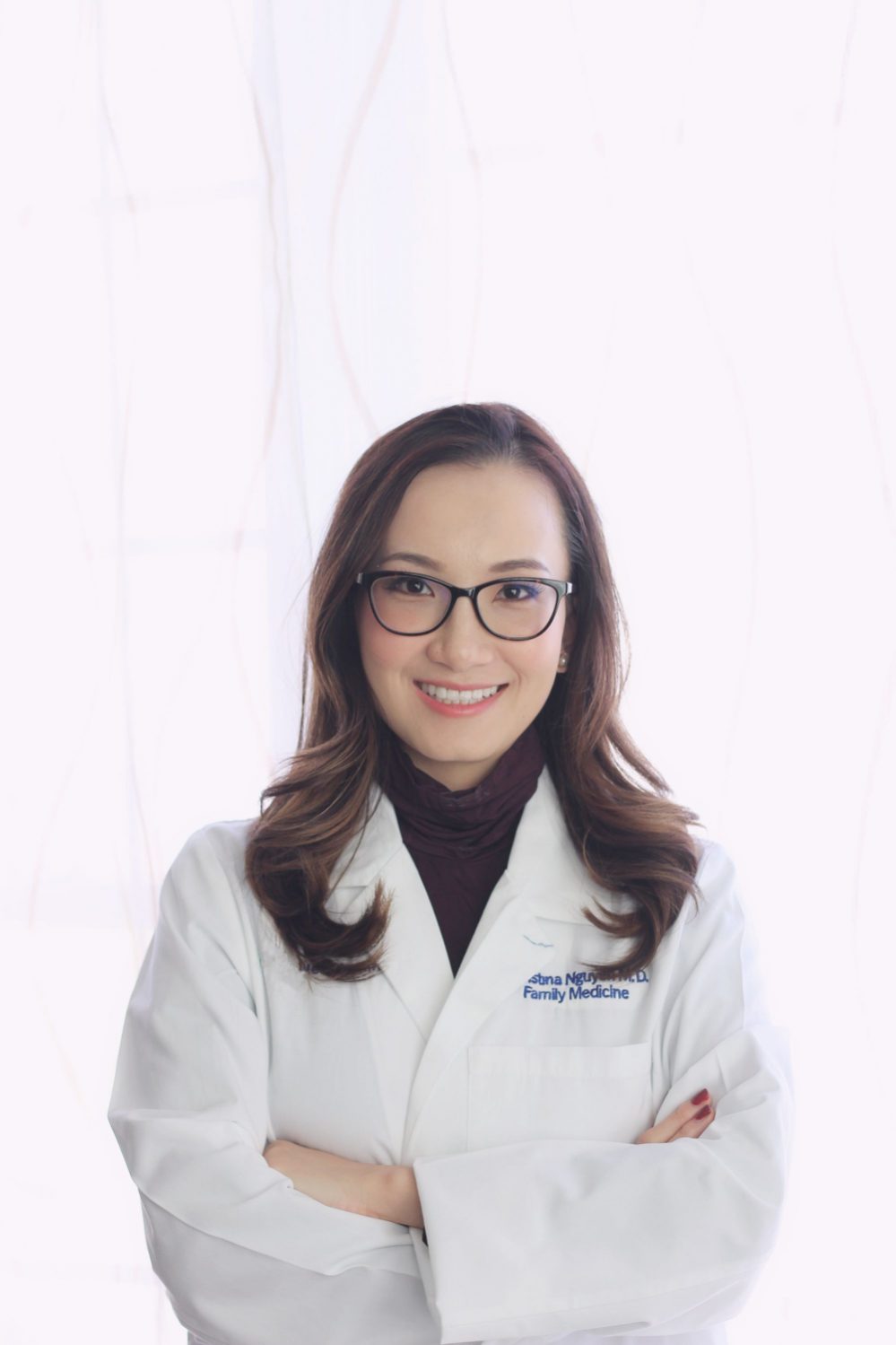
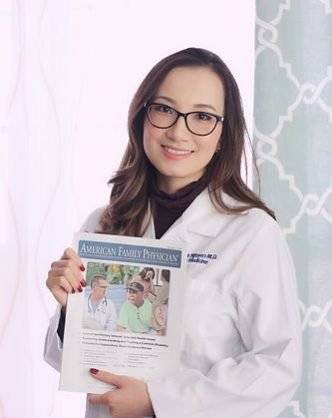
 Dr. Christina Nguyen
Family Doctor in the U.S.

Years ago, when I sat down to write my application essay for the Bill Gates scholarship, I wrote about the dream of becoming a doctor who could help people across languages and cultures. That journey eventually led me to practice family medicine in the United States and to build The Phoenix Medical Academy — so students and immigrant families can find clearer guidance on studying medicine, residency, and life in America.
Get new posts by email