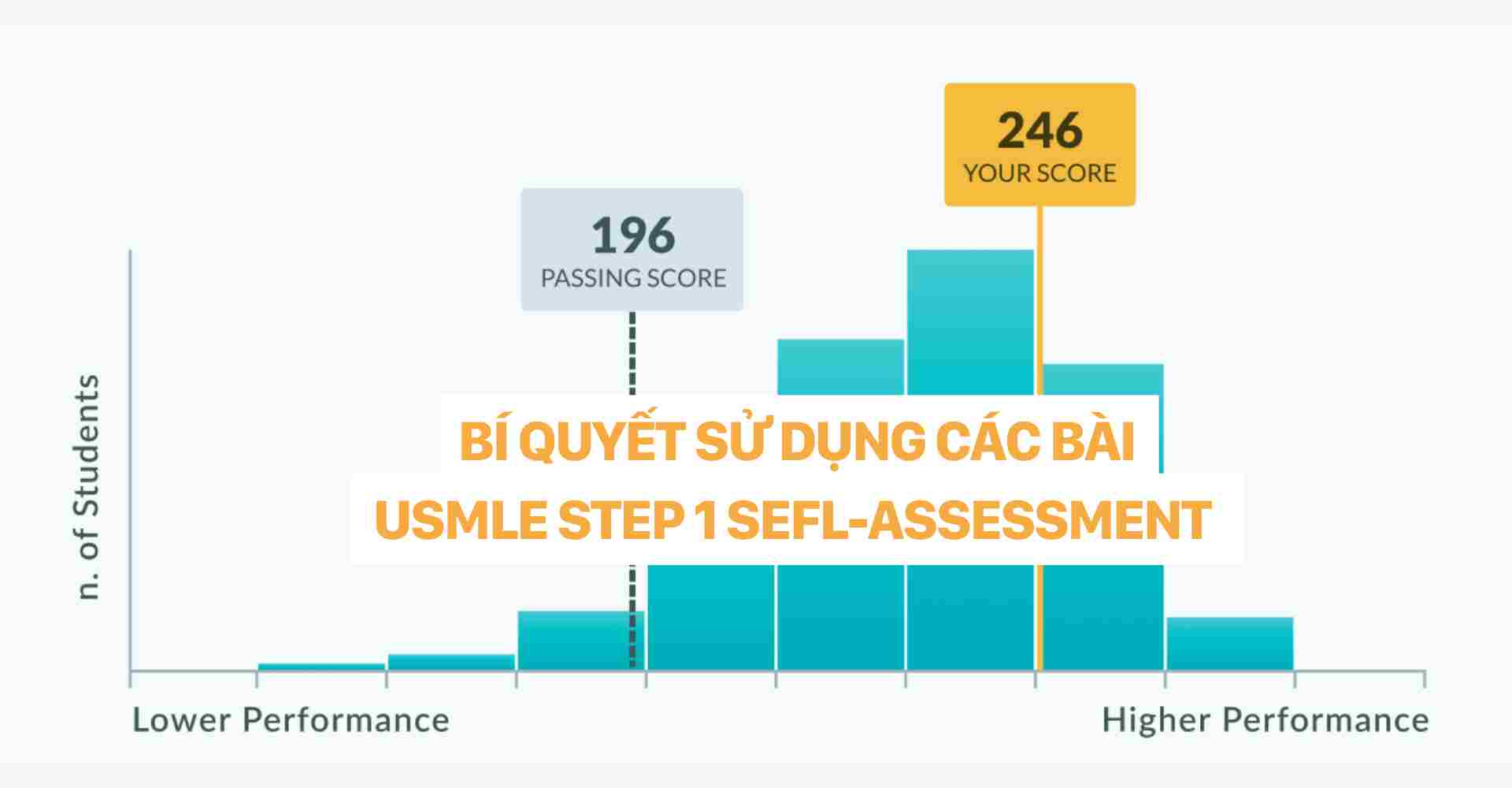
SECRETS FOR USING USMLE SELF-ASSESSMENT TESTS

Bí Quyết Sử Dụng Các Bài USMLE Self-Assessment dr christina nguyễn

The Secret to Conquering USMLE Step 1 – How to Use Self-Assessment Lessons Effectively

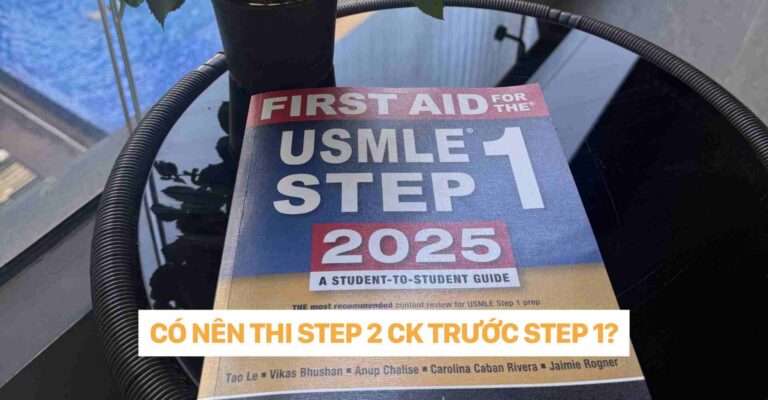
As we all know, USMLE Step 1 is the first challenge, also a difficult one and is the most decisive on the journey to conquer the dream of becoming a doctor in America.

The huge amount of knowledge makes studying difficult, and passing the exam is even more difficult. I have had previous articles sharing about effective exam study methods. If you are interested, you can find and read it again on my website. 

So next, the question is, after the preparation process, how can we confidently take the exam and be sure that we will pass? Because if you fail just once, it not only makes you have to take the test again and again, wasting time and money, but also has a very negative impact on your future application to boarding school.

The main answer is to use self-assessment 

  • So what is self-assessment and what are the methods? Is self-assessment useful for taking the USMLE Step 1 test?
  • When is it appropriate to use them?
  • How to use them effectively and how many points will it be safe to register for the real exam?

Let’s find out in today’s article.

1. The Best Self-Assessments for USMLE Step 1

First, we must mention the NBME (National Board of Medical Examiners) test set. Up to now, there have been 31 NBME sets dedicated to USMLE Step 1. Similar to the IELTS practice test, the newer the test sets, the more updated they will be with the test than the older test sets. 

Up to now, this is the most reliable set of practice tests because:

  • The content closely follows and is designed to test knowledge in the style of real exam questions.
  • Scores from NBME usually reflect the actual test score quite accurately (±10-15 points).
  • The only downside of this set of questions is that you need to pay a fee to buy it.

In addition, the Free 120 question set – a completely free set of questions compiled and released every year by the USMLE itself is also a very reliable source for you to score. Competency assessment and real exam readiness test.

2. When is the Right Time to Take Practice Tests?

First, after completing the first round of UWorld, you can take the first NBME test to assess your current ability. And so on, after each round of UWorld, you take another practice test to check your progress in the learning process.

At this point, don’t worry too much if your score is not as expected. Current results only help you understand where you are at that time and point out the things you need to practice more.

You still have a lot of time and a long way ahead to keep trying. 

Next, after completing the first round of First Aid (FA), you can do another self-assessment exercise.  

If the results of future practice tests do not improve, this is also a signal for you to reflect on your learning strategy and make necessary adjustments. 

On the contrary, when your self-assessment score improves and stabilizes at 230+, you are ready for the exam, because the practice test score already reflects the real exam score (usually only ±10-15 points different). 

You do not need to study further once you reach this score. Trying to cram in more knowledge will not bring much benefit, but on the contrary, it can put unnecessary pressure on you.

3. Frequency of Using Self-Assessments

As mentioned above, it is extremely important to use self-assessment periodically to evaluate learning progress and make necessary adjustments. You can choose a timeline suitable for each stage of your preparation:

  • After each UWorld round: Evaluate the long-term learning process.
  • Every 3 months: If you are learning slowly or on a longer schedule.
  • Every month: If you need to prepare for an exam in the near future

4. Analysis After Each Practice Test

Taking a practice test is not only to check your score, but most importantly, to acknowledge and understand your mistakes and learn from them.

I often guide students on how to analyze each question they answer incorrectly:

  • Why is this answer not correct?
  • Where is the gap in my knowledge in this sentence?
  • How to avoid repeating this mistake in the future?

In addition, take the time to read and understand the explanations carefully, similar to how you learn from UWorld.

5. Experience When Taking Practice Tests

  • Don’t wait until you’re “ready” to do the self-assessment: Start as early as possible, only then will you clearly understand your strengths and weaknesses as well as track your learning process.
  • Combined with study materials: After each practice test, go back to review high-yield topics in UWorld and First Aid. Especially re-study the topics that you just got wrong in that test, so your knowledge will be firmly consolidated for future tests.
  • Focus on progress, not just scores: Don’t be too stressed and discouraged if your scores aren’t what you want the first time or don’t work right away. This is a road not paved with roses and everyone will encounter such problems. At times like these, emotional and strategic support from an experienced person can save you a lot of time and effort.

Self-assessment exercises are not only a measure but also a compass for you in this USMLE Step 1 preparation path.

Hope my sharing today can help you use them effectively to optimize your review, as well as your time to successfully conquer the path of becoming a doctor in the US.

Wishing you effective review and success in the USMLE Step exam 1!

Please comment “yes” if the article is useful to you.

Dr. Christina Nguyen

Phoenix Medical Academy

If you found this article meaningful, please share it with others!

Bí Quyết Sử Dụng Các Bài USMLE Self-Assessment dr christina nguyễn

The Secret to Conquering USMLE Step 1 – How to Use Self-Assessment Lessons Effectively

As we all know, USMLE Step 1 is the first challenge, also a difficult one and is the most decisive on the journey to conquer the dream of becoming a doctor in America.

The huge amount of knowledge makes studying difficult, and passing the exam is even more difficult. I have had previous articles sharing about effective exam study methods. If you are interested, you can find and read it again on my website. 

So next, the question is, after the preparation process, how can we confidently take the exam and be sure that we will pass? Because if you fail just once, it not only makes you have to take the test again and again, wasting time and money, but also has a very negative impact on your future application to boarding school.

The main answer is to use self-assessment 

  • So what is self-assessment and what are the methods? Is self-assessment useful for taking the USMLE Step 1 test?
  • When is it appropriate to use them?
  • How to use them effectively and how many points will it be safe to register for the real exam?

Let’s find out in today’s article.

1. The Best Self-Assessments for USMLE Step 1

First, we must mention the NBME (National Board of Medical Examiners) test set. Up to now, there have been 31 NBME sets dedicated to USMLE Step 1. Similar to the IELTS practice test, the newer the test sets, the more updated they will be with the test than the older test sets. 

Up to now, this is the most reliable set of practice tests because:

  • The content closely follows and is designed to test knowledge in the style of real exam questions.
  • Scores from NBME usually reflect the actual test score quite accurately (±10-15 points).
  • The only downside of this set of questions is that you need to pay a fee to buy it.

In addition, the Free 120 question set – a completely free set of questions compiled and released every year by the USMLE itself is also a very reliable source for you to score. Competency assessment and real exam readiness test.

2. When is the Right Time to Take Practice Tests?

First, after completing the first round of UWorld, you can take the first NBME test to assess your current ability. And so on, after each round of UWorld, you take another practice test to check your progress in the learning process.

At this point, don’t worry too much if your score is not as expected. Current results only help you understand where you are at that time and point out the things you need to practice more.

You still have a lot of time and a long way ahead to keep trying. 

Next, after completing the first round of First Aid (FA), you can do another self-assessment exercise.  

If the results of future practice tests do not improve, this is also a signal for you to reflect on your learning strategy and make necessary adjustments. 

On the contrary, when your self-assessment score improves and stabilizes at 230+, you are ready for the exam, because the practice test score already reflects the real exam score (usually only ±10-15 points different). 

You do not need to study further once you reach this score. Trying to cram in more knowledge will not bring much benefit, but on the contrary, it can put unnecessary pressure on you.

3. Frequency of Using Self-Assessments

As mentioned above, it is extremely important to use self-assessment periodically to evaluate learning progress and make necessary adjustments. You can choose a timeline suitable for each stage of your preparation:

  • After each UWorld round: Evaluate the long-term learning process.
  • Every 3 months: If you are learning slowly or on a longer schedule.
  • Every month: If you need to prepare for an exam in the near future

4. Analysis After Each Practice Test

Taking a practice test is not only to check your score, but most importantly, to acknowledge and understand your mistakes and learn from them.

I often guide students on how to analyze each question they answer incorrectly:

  • Why is this answer not correct?
  • Where is the gap in my knowledge in this sentence?
  • How to avoid repeating this mistake in the future?

In addition, take the time to read and understand the explanations carefully, similar to how you learn from UWorld.

5. Experience When Taking Practice Tests

  • Don’t wait until you’re “ready” to do the self-assessment: Start as early as possible, only then will you clearly understand your strengths and weaknesses as well as track your learning process.
  • Combined with study materials: After each practice test, go back to review high-yield topics in UWorld and First Aid. Especially re-study the topics that you just got wrong in that test, so your knowledge will be firmly consolidated for future tests.
  • Focus on progress, not just scores: Don’t be too stressed and discouraged if your scores aren’t what you want the first time or don’t work right away. This is a road not paved with roses and everyone will encounter such problems. At times like these, emotional and strategic support from an experienced person can save you a lot of time and effort.

Self-assessment exercises are not only a measure but also a compass for you in this USMLE Step 1 preparation path.

Hope my sharing today can help you use them effectively to optimize your review, as well as your time to successfully conquer the path of becoming a doctor in the US.

Wishing you effective review and success in the USMLE Step exam 1!

Please comment “yes” if the article is useful to you.

Dr. Christina Nguyen

Phoenix Medical Academy

If you found this article meaningful, please share it with others!

BECOME A DOCTOR IN THE U.S.

Would you like to learn how to communicate with patients in English to U.S. medical standards, explore the mindset and skills needed to succeed in medicine in America, or learn more about life as a doctor in the U.S.?

BECOME A DOCTOR IN THE U.S.

Would you like to learn how to communicate with patients in English to U.S. medical standards, explore the mindset and skills needed to succeed in medicine in America, or learn more about life as a doctor in the U.S.?

If you found this article helpful, please share it with others!

Leave a Reply

 Dr. Christina Nguyen
Family Doctor in the U.S.

Years ago, when I sat down to write my application essay for the Bill Gates scholarship, I wrote about the dream of becoming a doctor who could help people across languages and cultures. That journey eventually led me to practice family medicine in the United States and to build The Phoenix Medical Academy — so students and immigrant families can find clearer guidance on studying medicine, residency, and life in America.

Get new posts by email